Written summary
Parts used and flange height recorded
Toilet Flange Repair Littleton CO starts with finding why your toilet rocks, leaks at the base, or smells like sewer. We pull the bowl, cut out the corroded flange, and set a new one that sits flush with the finished floor. Whether you need a wax ring swap or full toilet flange replacement in Littleton, we handle it in one visit.
Every flange job starts with a full inspection and ends with a flush test. Here is what is covered in a standard repair. If we find rotted subfloor or a damaged drain riser, we quote that separately before doing the work.
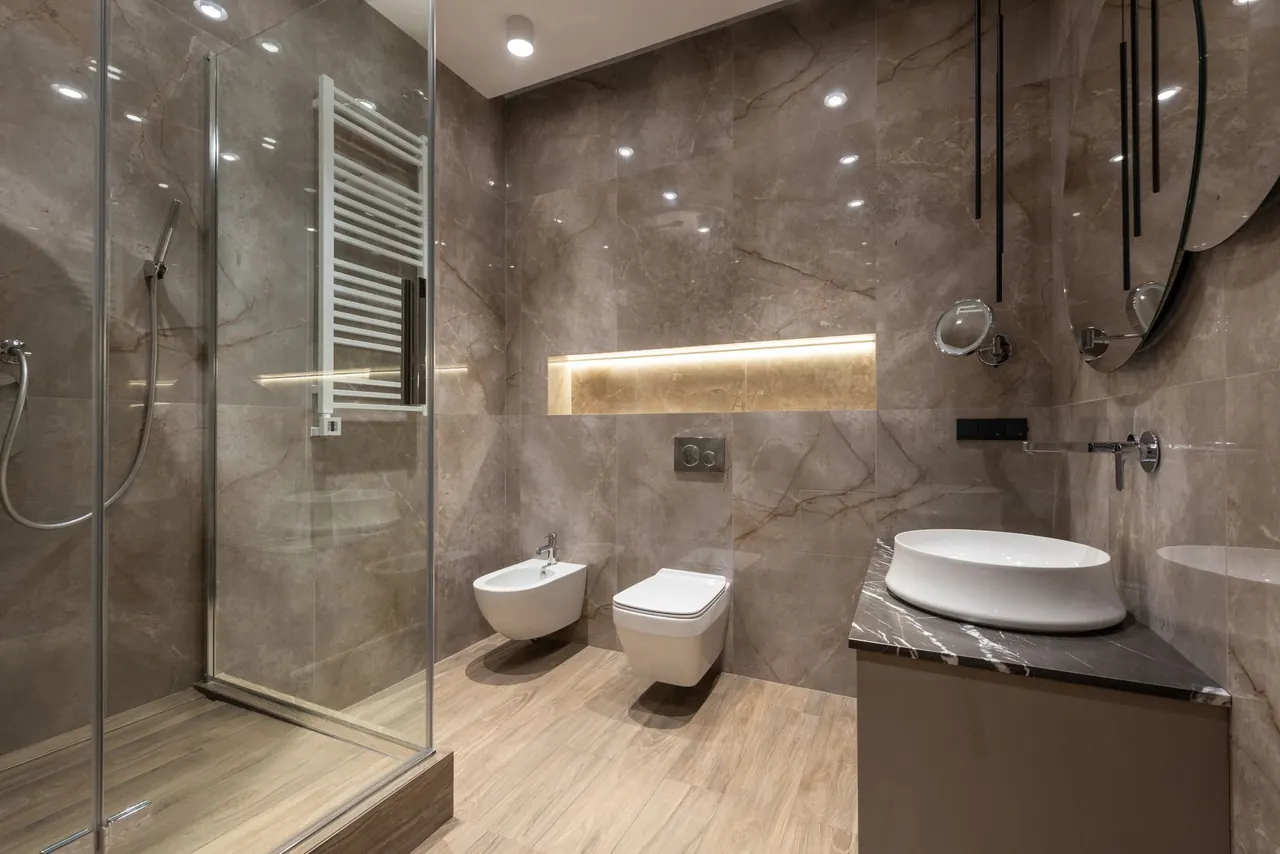
We repair flanges in houses, condos, and apartments across Littleton. If your toilet rocks, leaks at the base, or smells like sewer, we find the cause and fix it in one visit.
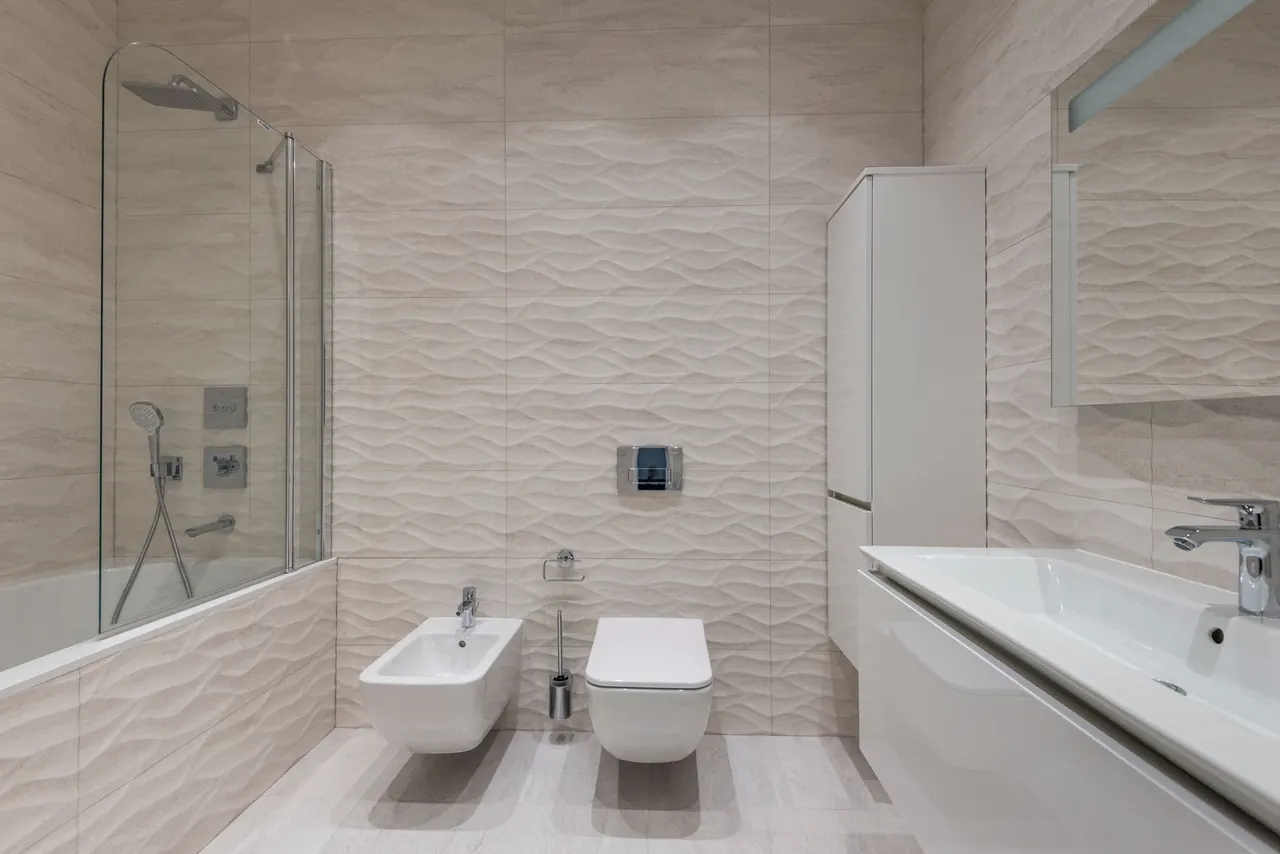
We repair flanges in restrooms at offices, restaurants, and retail spaces. We work around your hours so the restroom is back in service fast.
Toilet Flange Repair Littleton CO is the plumbing trade of removing a failed closet flange, repairing or replacing the connection between the toilet and the drain pipe, and resetting the bowl so it seals tight. The flange is the ring bolted to your floor that holds the toilet in place and mates with the wax ring. When it cracks, rusts, or sits below the tile, water escapes every flush. We cut the old flange out, install a new PVC, ABS, or cast-iron-compatible replacement, and torque the closet bolts to spec.
In Littleton, most flange failures come from three things: hard water mineral buildup, decades-old cast iron that has rotted through, and subfloor swelling that pushes the flange out of level. Homes in Columbine Hills and Heritage built in the 1970s and 1980s are prime candidates for a Littleton CO broken flange repair. If your toilet rocks and leaks at the flange, the wax ring has already failed and water is reaching the subfloor. We see this weekly, and we fix it before the joists rot.
We pull the bowl, fix the flange, and reset it so the seal holds.
You get a clear sequence from the first call to the final flush test. No mystery, no surprise add-ons. Here is exactly what happens when we arrive at your Littleton home.
We shut off the angle stop, flush the toilet empty, and pull the bowl. Then we inspect the flange with a camera and check for cracks, rust, or a flange sitting below the finished floor. You get a straight answer on whether it needs a repair or full replacement. This takes about 20 minutes.

Using a pipe wrench and a flange saw, we cut the old flange off the riser without damaging the drain pipe. If the flange is cast iron and rotted, we transition to PVC with a proper coupling. We vacuum debris with a wet/dry shop vacuum so your bathroom stays clean. Expect 30 to 45 minutes for this step.
We dry-fit the new flange so the top sits 1/4 inch above the finished floor, then solvent-weld or bolt it in place. A flange extender is used when the floor has been raised by tile. We torque the closet bolts with a torque wrench so the bowl does not crack. This step runs 20 to 30 minutes.
We install a new wax ring or rubber toilet seal, drop the bowl back onto the closet bolts, and shim it level. A bead of silicone caulk goes around the base, leaving the back open so a future leak is visible. We reconnect the braided stainless steel supply line and open the shut-off valve. About 25 minutes.
We flush the toilet five to ten times and watch the base for any seepage. We check for rocking, run a paper towel around the flange, and confirm no sewer odor. Then we haul away the old flange and wax ring, wipe down the floor, and walk you through what we did. Total visit is usually 2 to 3 hours.
Lets us see inside the drain and under the flange without cutting open the floor. We use it to confirm whether the riser is damaged or just the flange.
Used to break free corroded closet nuts and supply line fittings. The right wrench prevents cracking the porcelain or stripping the angle stop.
Removes water and debris from the flange area after we pull the toilet. Keeps your bathroom clean and lets us see the flange surface clearly.
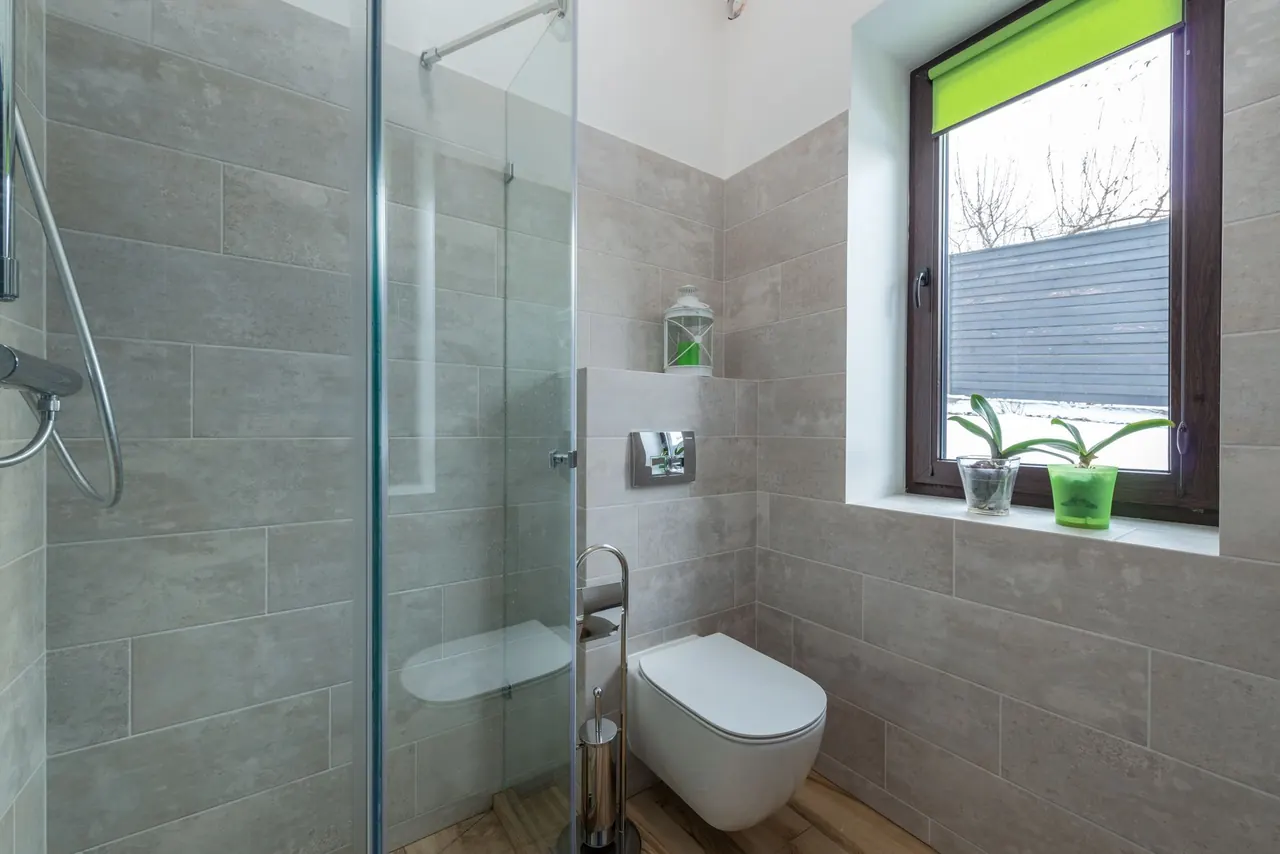
Cuts the old flange off the riser and scrapes away old wax and caulk. A clean surface is essential for the new flange to seal.
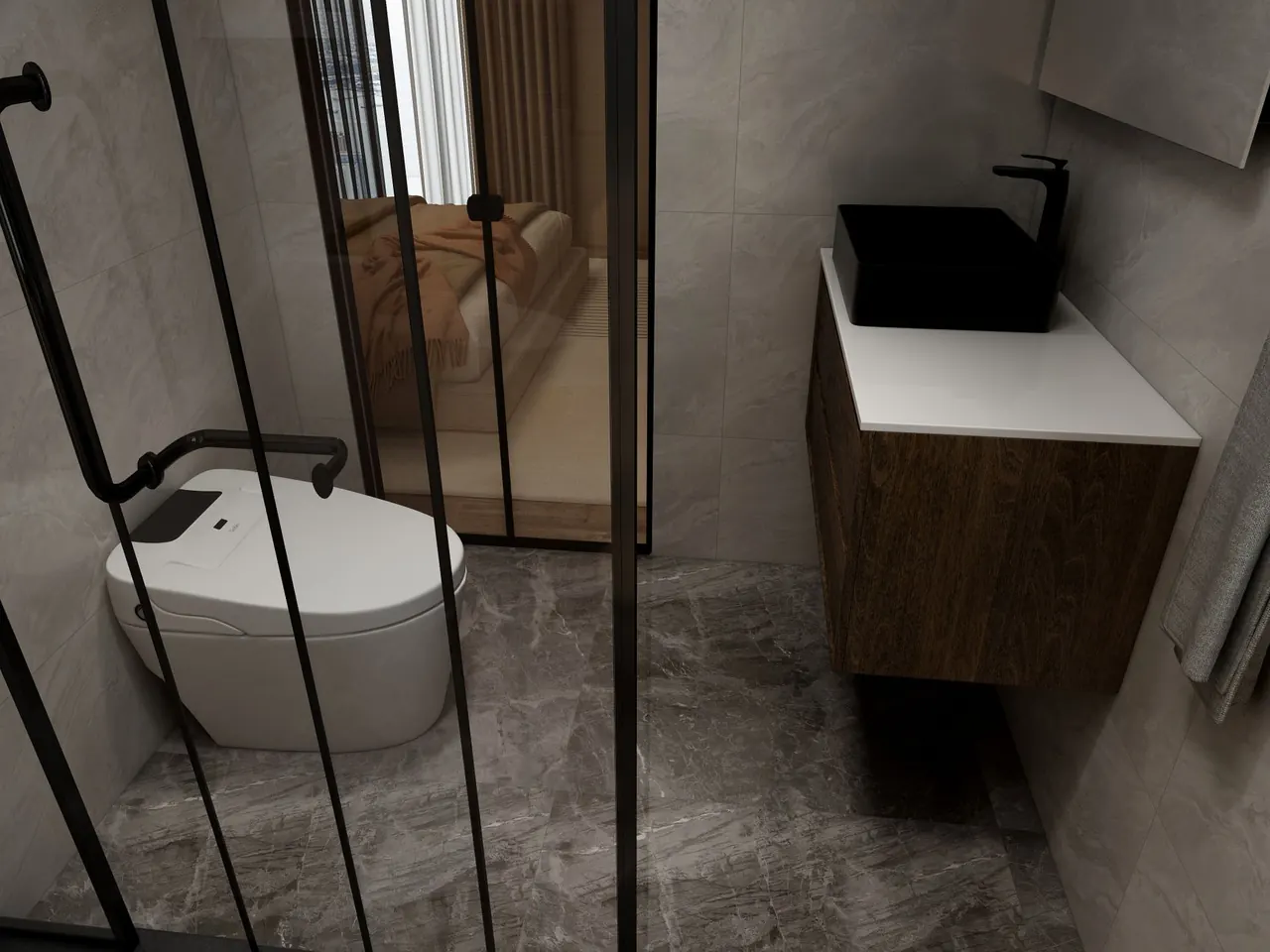
Tightens closet bolts to the manufacturer's spec so the bowl does not crack. We check torque on every reset, not just by feel.
Applies a silicone bead around the toilet base, leaving the back open so a future leak is visible. Prevents water from seeping under the bowl.
Provides stainless steel closet bolts, washers, and nuts sized for your flange. Stainless resists the corrosion that eats standard bolts in Littleton hard water.
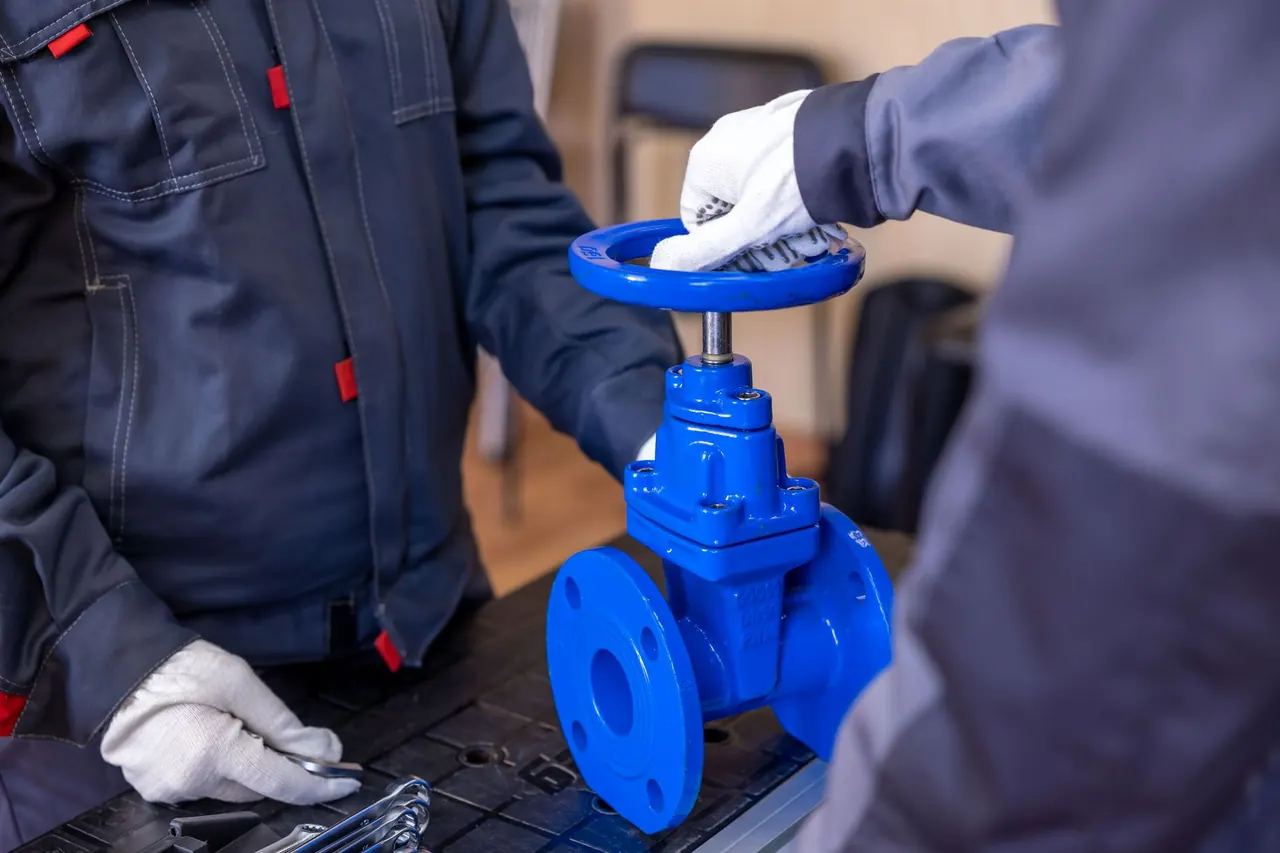
We set the flange so the top sits 1/4 inch above the finished floor, as required by UPC and IPC. This keeps the wax ring at the correct compression and prevents blowouts under pressure.
We install a flange extender or replace the flange so the top sits 1/4 inch above the finished floor. This keeps the wax ring at the correct compression and prevents a leak under the new tile. The new floor stays dry, the toilet sits level, and you avoid tearing up tile later to fix a hidden leak.
We pull the toilet, inspect the flange and subfloor, and remediate any contaminated material. Then we replace the flange and wax ring and verify the drain is flowing before we reset the bowl. The sewage mess is cleaned up, the flange is sound, and the toilet flushes without backing up.
We inspect the existing flange during the swap. If it is cracked or too low, we replace it before setting the new WaterSense toilet. A new bowl on a bad flange will leak within months. Your new high-efficiency toilet seals correctly from day one and saves water without leaking at the base.
We schedule the repair around the tenant, pull the bowl, and fix the flange the same visit. We send photos of the before and after so you have documentation for your records. The tenant stops calling, the unit passes inspection, and you avoid a costly subfloor repair down the line.
Littleton's housing stock drives most of our flange calls. Homes built in the 1960s and 1970s around Columbine Hills and Heritage often have cast iron flanges that have rusted from the inside. Newer builds in Sterling Ranch and Ken Caryl Ranch use PVC, but hard water mineral buildup still attacks the wax ring and the flange surface. Our climate matters too: freeze-thaw cycles in winter stress the supply lines and shut-off valves, and a frozen angle stop can crack when you try to close it. We carry both cast iron transition kits and PVC flanges on every truck, so a broken cast iron flange repair Littleton CO does not turn into a two-day job. We also know the local code requirements and set every flange to Uniform Plumbing Code height. If you are searching for a toilet flange replacement cost Littleton Colorado, we quote the full job before we start, including the wax ring and closet bolts.
A 1978 split-level had a toilet that rocked a half inch every time someone sat down. The wax ring had ground into paste and water was staining the subfloor. The cast iron flange had two broken bolt slots and could not hold the closet bolts.
We cut the cast iron flange off, transitioned to PVC, and set a new flange at the correct height. The toilet was shimmed level and bolted with stainless closet bolts. The rocking stopped immediately and the subfloor dried out within a week.
Check the base for movement every few months. If the toilet starts to rock again, stop using it and call us before the wax ring fails. Keep the caulk bead around the base intact.
A tenant reported a constant sewer smell in the bathroom. The wax ring had failed and the flange was cracked across one side. Every flush pushed a small amount of water under the floor, and the smell was strongest after flushing.
We replaced the cracked flange, installed a new wax ring, and reset the toilet. The sewer smell disappeared the same day. We also replaced the tank-to-bowl gasket, which was contributing to the odor.
Run the bathroom fan after showers and check under the tank for moisture monthly. If the smell returns, the seal has failed again and needs a fresh wax ring.
A homeowner had new tile installed over the original floor. The flange sat a quarter inch below the tile, so the wax ring could not seal. Water seeped out at the base with every flush and the grout around the toilet stayed dark and wet.
We installed a flange extender to bring the flange above the tile, then reset the toilet with a new wax ring. The base stayed dry through ten test flushes. The grout dried out and the toilet sat level on the new floor.
Keep the caulk bead around the base sealed and check for water stains on the ceiling below. A dry paper towel test around the flange every few months catches a failing seal early.
A flange failure shows up in a few predictable ways. If you recognize any of these, the repair is cheaper now than after the subfloor rots.
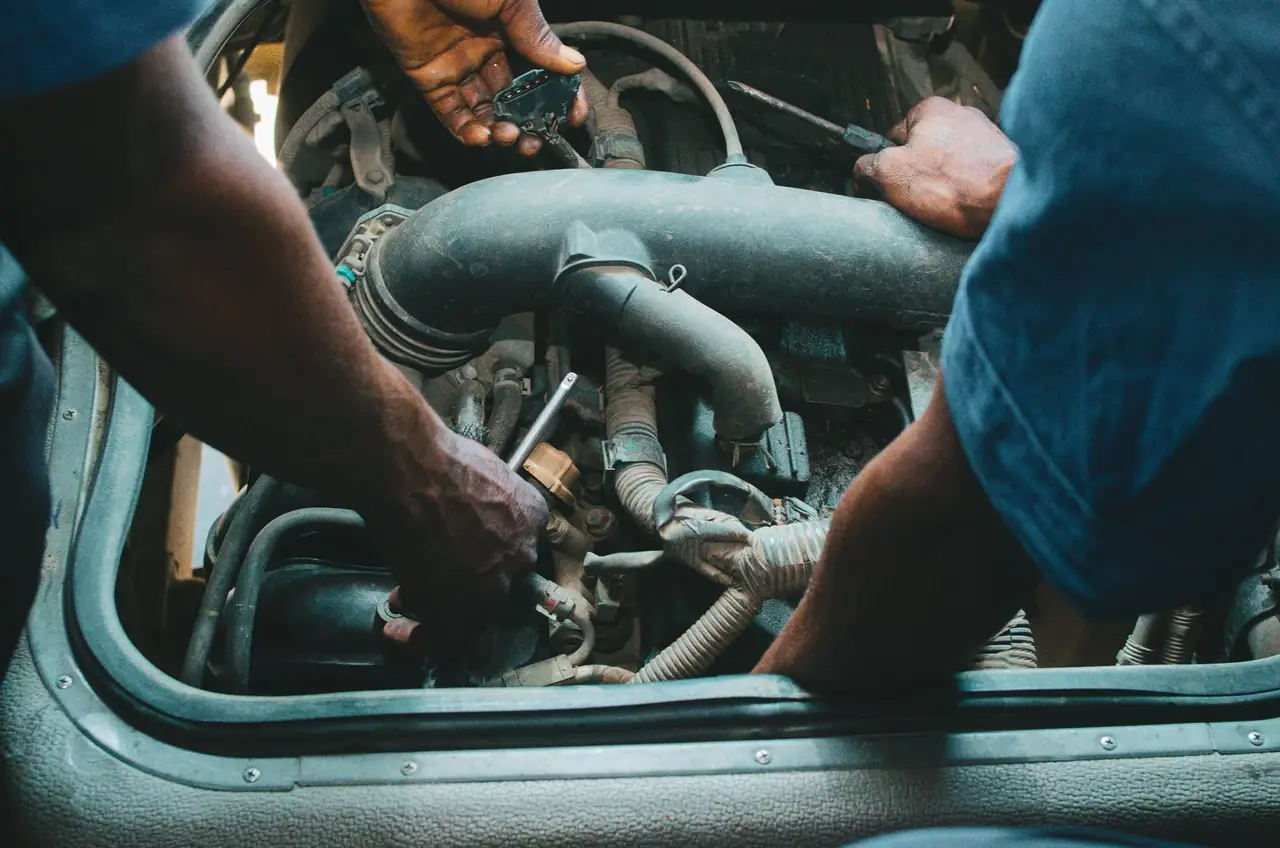
We pull the bowl, inspect the flange, and correct the height or replace it. Then we shim and bolt the toilet level so it does not move. Most rocking toilets are fixed in a single 2-hour visit. The movement grinds the wax ring apart and opens a gap at the flange. Water escapes under the floor with every flush, and the subfloor softens within weeks.
We trace the leak to the flange or wax ring, replace the failed part, and reset the toilet with a new seal. We also check the supply line and shut-off valve so the leak is not coming from above. Standing water at the base soaks into the subfloor and can drip through to the ceiling below. Mold and rot follow fast, and the repair cost triples once joists are involved.

We replace the wax ring and repair or replace the flange so the seal is airtight. We also check the tank-to-bowl gasket and floor drain, because sewer odor sometimes comes from more than one source. A broken flange seal lets sewer gas into the room. The smell is unpleasant, and the underlying gap means water is also escaping every time you flush.
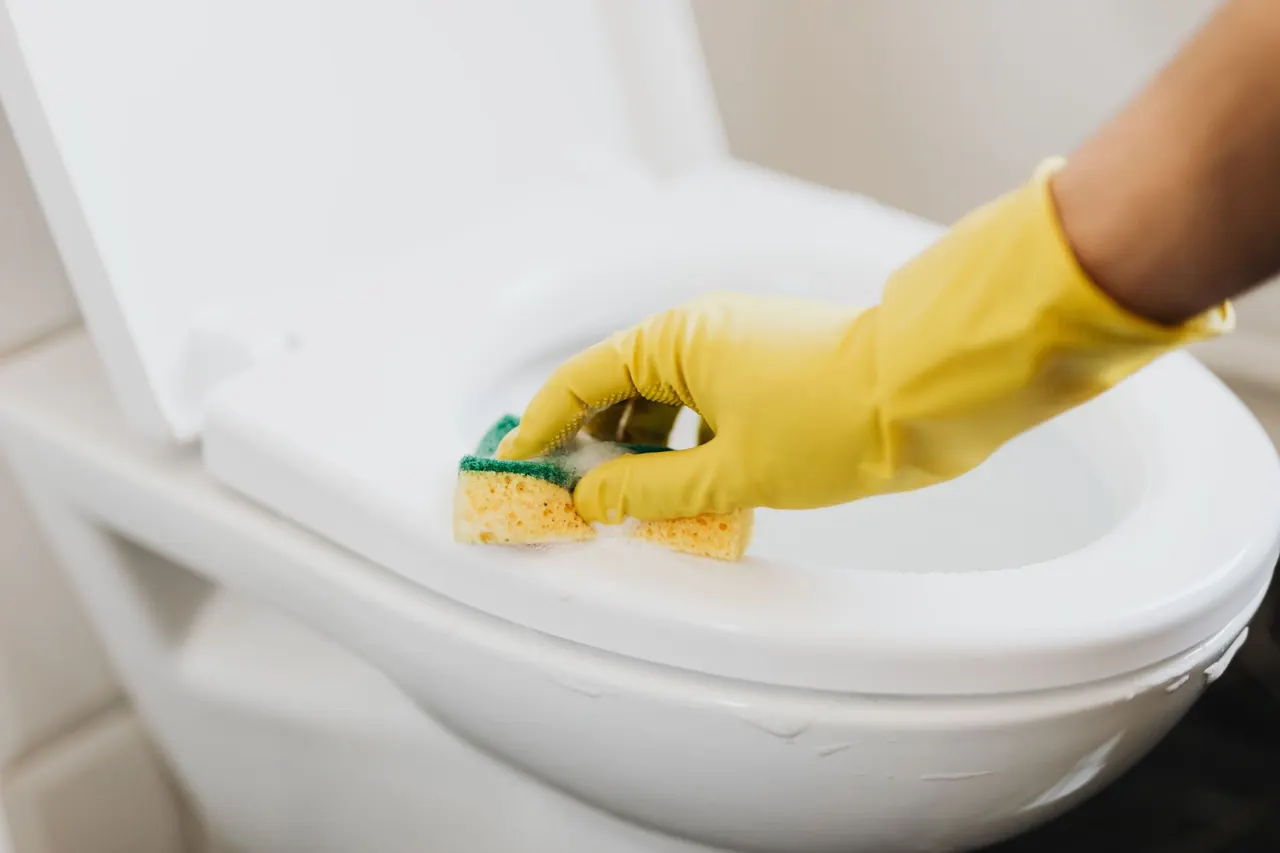
We cut the cast iron flange off and transition to PVC with a proper coupling. The new flange bolts to the subfloor and accepts standard closet bolts. This is a common broken cast iron flange repair Littleton CO job for us. Cast iron flanges in 1960s and 1970s Littleton homes rust through from the inside. Once the bolt slots crumble, the toilet cannot be secured and the seal fails completely.
A rocking toilet grinds the wax ring into paste and opens a gap at the flange. We shim and bolt the bowl so it sits dead flat on the floor. Most customers tell us the movement is gone the same day, and the silicone bead around the base stays intact for years.
That faint sewer odor in the bathroom is usually a broken seal at the flange. Once we install a new wax ring and reset the bowl, the smell disappears. We also check the tank-to-bowl gasket and the fill valve while the toilet is pulled, so you are not paying for a second visit.
Water pooling around the toilet base soaks into the subfloor and the ceiling below. Catching it early keeps the repair to the flange and wax ring. We inspect the surrounding decking with a camera and moisture meter, and we tell you honestly if the wood needs to be cut out.
Every flange we set meets Uniform Plumbing Code and International Plumbing Code requirements for closet flange height and securement. We use a flange bolt kit, stainless closet bolts, and the correct wax ring thickness for your floor height. That means the inspection passes and the repair lasts.
Clear records you can keep and share.
Parts used and flange height recorded
Before and after images of the flange
Multiple flushes checked for leaks
A wax ring seals the gap between the toilet and the flange. When the flange cracks or sits too low, the wax ring cannot hold and water escapes under the floor.
A toilet that moves grinds the wax ring apart within weeks. Stop using it and have the flange checked before the subfloor gets wet.
The flange should sit a quarter inch above the finished floor. If tile was added over the old floor, an extender brings it back to the right height.
Older cast iron flanges rust from the inside and crack at the bolt slots. Once that happens, the toilet cannot be secured and the flange needs replacing.
Outside these areas? Call and ask, we may still be able to help. (720) 894-1003
Most residential flange repairs in Littleton run $250 to $550 in 2026, including the new flange, wax ring, and labor. If the subfloor is rotted and needs replacement, expect $600 to $1,200. Cast iron flange cuts and PVC transitions add $100 to $200. We quote the full price before we start, so you know the number before we pull the toilet.
Yes, most broken flanges can be repaired without replacing the drain pipe. If the crack is minor and the flange is still solid, a repair ring or flange extender can restore the seal. If the flange is cracked through or rotted, we cut it off and install a new one. Only a damaged riser requires more extensive work.
A rocking toilet usually means the flange is not level with the floor, the subfloor has swollen, or the closet bolts have loosened. In older Littleton homes, hard water mineral buildup and rotted cast iron are common causes. A rocking bowl grinds the wax ring apart within weeks, so it needs to be shimmed and the flange corrected.
A standard toilet flange replacement Littleton takes 2 to 3 hours from arrival to final flush test. That includes pulling the toilet, cutting the old flange, setting the new one, and resetting the bowl with a fresh wax ring. If we find rotted subfloor, add 1 to 2 hours for decking repair and drying time.
A leaking flange damages your subfloor every day you wait. Call Toilet Repair Pros at (720) 894-1003 and we will schedule a same-day visit, quote the repair upfront, and reset your toilet so it stops rocking and leaking. Colorado Master Plumber licensed and insured.
Call (720) 894-1003 or email [email protected] to schedule service. We answer the phone during business hours and respond to after-hours emergency calls for active leaks and backups. Most repairs are scheduled same day or next day.