Written scope
Model, GPF rating, and parts listed
A High Efficiency Toilet Upgrade Littleton CO swaps your old 3.5 GPF tank for a 1.28 GPF or dual flush model that still clears the bowl on the first push. We handle the whole job for homeowners across Arapahoe County: shut-off valve check, new wax ring, flange inspection, and a clean haul-away of the old toilet. Most installs take two to three hours.
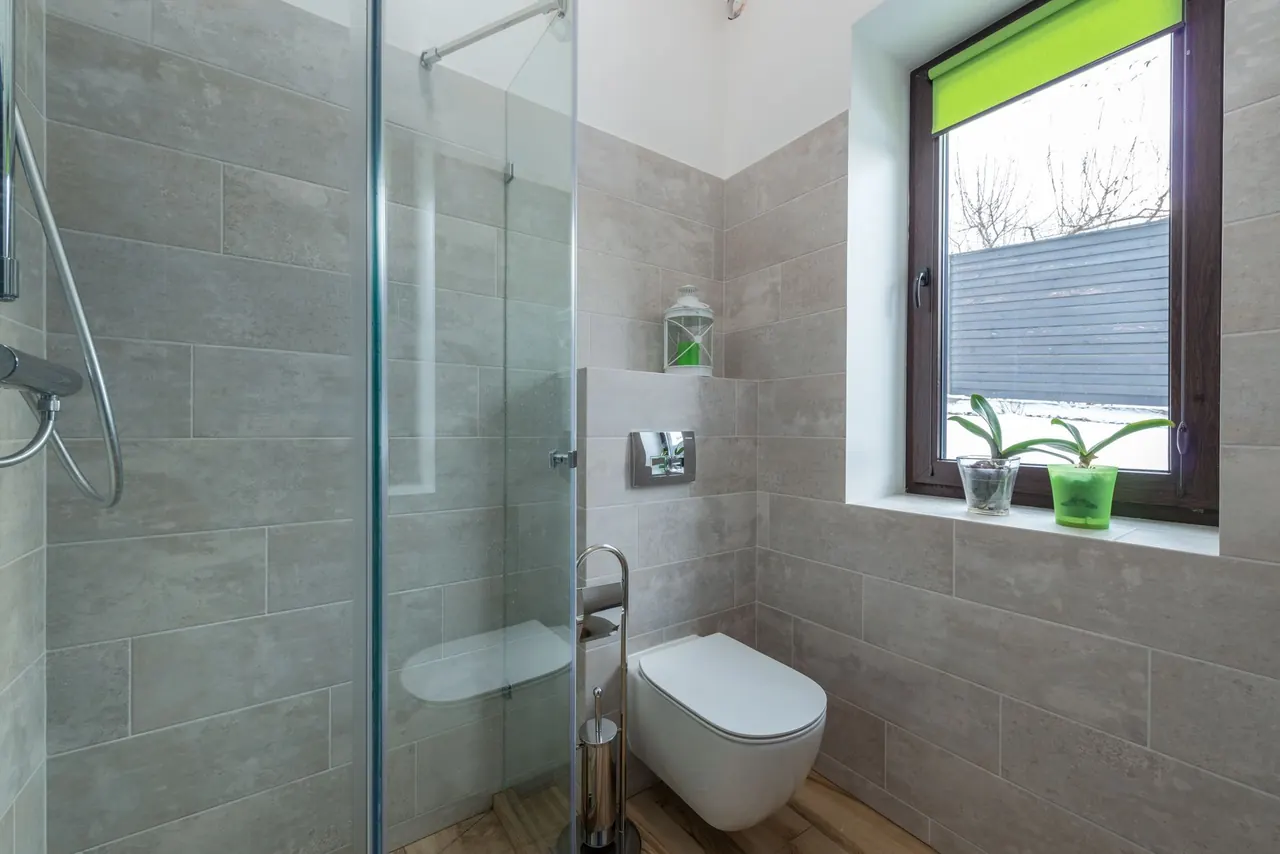
Every High Efficiency Toilet Upgrade Littleton CO includes the parts and labor to swap your old toilet for a new efficient model. We handle the removal, the new wax ring, the supply line, and the flush test. Here's what's covered.

We replace old toilets in Littleton homes with 1.28 GPF or dual flush models. Every install includes a new wax ring, supply line, and a full flush test.
We upgrade toilets in rental units, offices, and retail restrooms across Littleton. Property managers get model numbers for rebate paperwork and haul-away of old fixtures.
A High Efficiency Toilet Upgrade Littleton CO is a full toilet replacement that moves your bathroom from a 3.5 or 5 GPF tank to a 1.28 GPF or dual flush model carrying EPA WaterSense certification. We pull the old bowl, scrape the wax ring, inspect the toilet flange for cracks, and set the new fixture on a fresh seal. Every install includes a new braided stainless steel supply line, a Fluidmaster or Korky fill valve check, and a flush test at full and half capacity. You get a toilet that uses roughly 13,000 fewer gallons a year per fixture.
Littleton's housing stock drives most of these calls. Homes built in the 1970s and 1980s around Columbine Hills and Leawood still run original 3.5 GPF toilets, and hard water mineral buildup has already worn out the flappers and fill valves. If you're searching for a high efficiency toilet installation near me Littleton CO, the usual trigger is a toilet running constantly or a phantom flush that spikes your bill. We also swap out corroded shut-off valves and angle stops while the tank is off the wall.
We swap old toilets for efficient models and test every flush before we leave.
Five steps from your first call to a tested, flushing toilet. Most jobs finish the same day.
You call (720) 894-1003 and describe the toilet: age, brand, whether it runs constantly or rocks. We ask about the shut-off valve and the flange because those decide whether the job is a straight swap or needs extra parts. You get a price range before we schedule.
We shut off the angle stop, drain the tank, and pull the toilet. Then we inspect the flange for cracks, check the subfloor for water staining, and look at the closet bolts. If the flange is corroded or the shut-off valve is frozen, we tell you before we continue. This takes 20 to 30 minutes.
We bring spec sheets for Kohler, TOTO, American Standard, and Niagara Conservation models so you can compare GPF ratings, bowl height, and rough-in size. You pick the unit. We confirm the rough-in measures 12 inches, which is standard in most Littleton homes, and order the right wax ring and closet bolt kit.
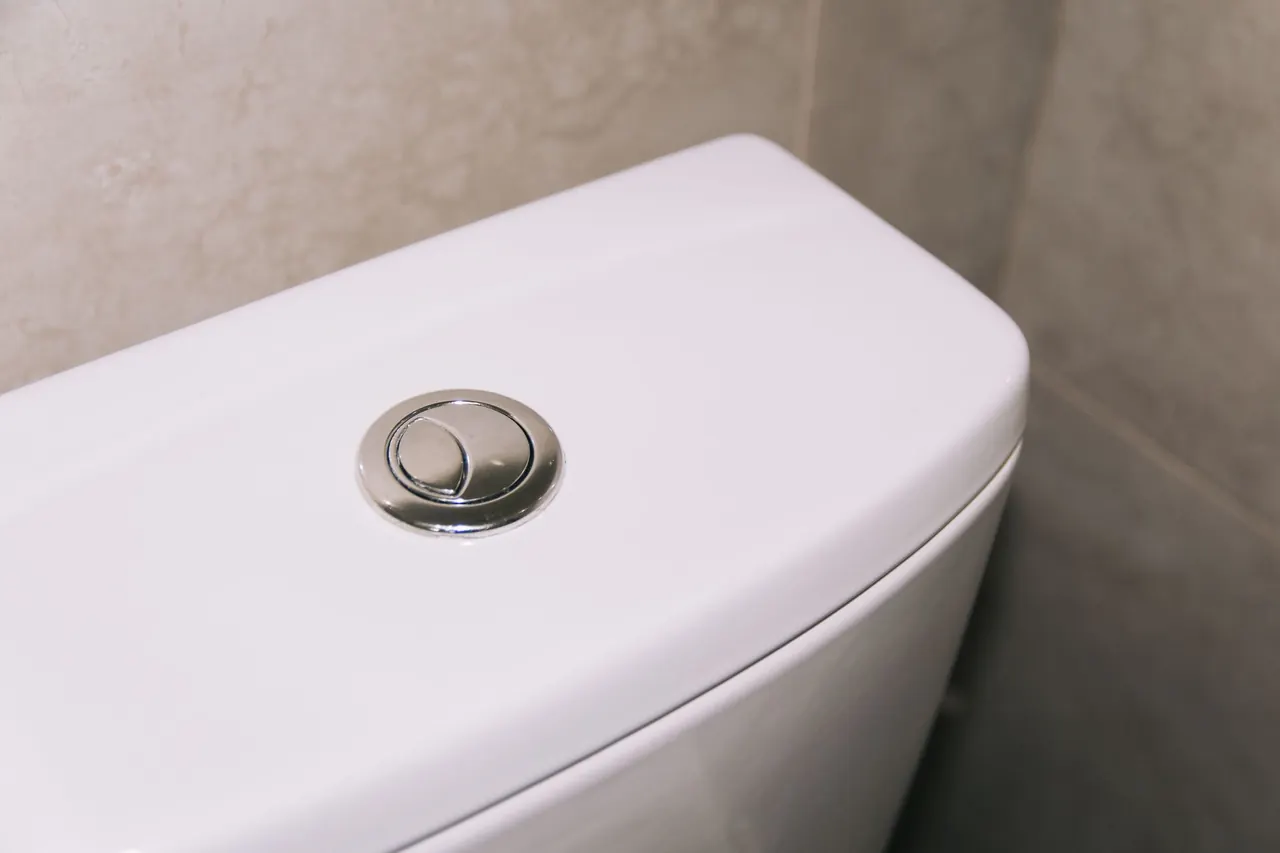
We set the new wax ring, drop the bowl, and torque the closet bolts evenly so the toilet does not rock. New braided stainless steel supply line goes on, the tank-to-bowl gasket seats, and we check the fill valve and flapper alignment. Silicone caulk goes around the base after the flush test passes.
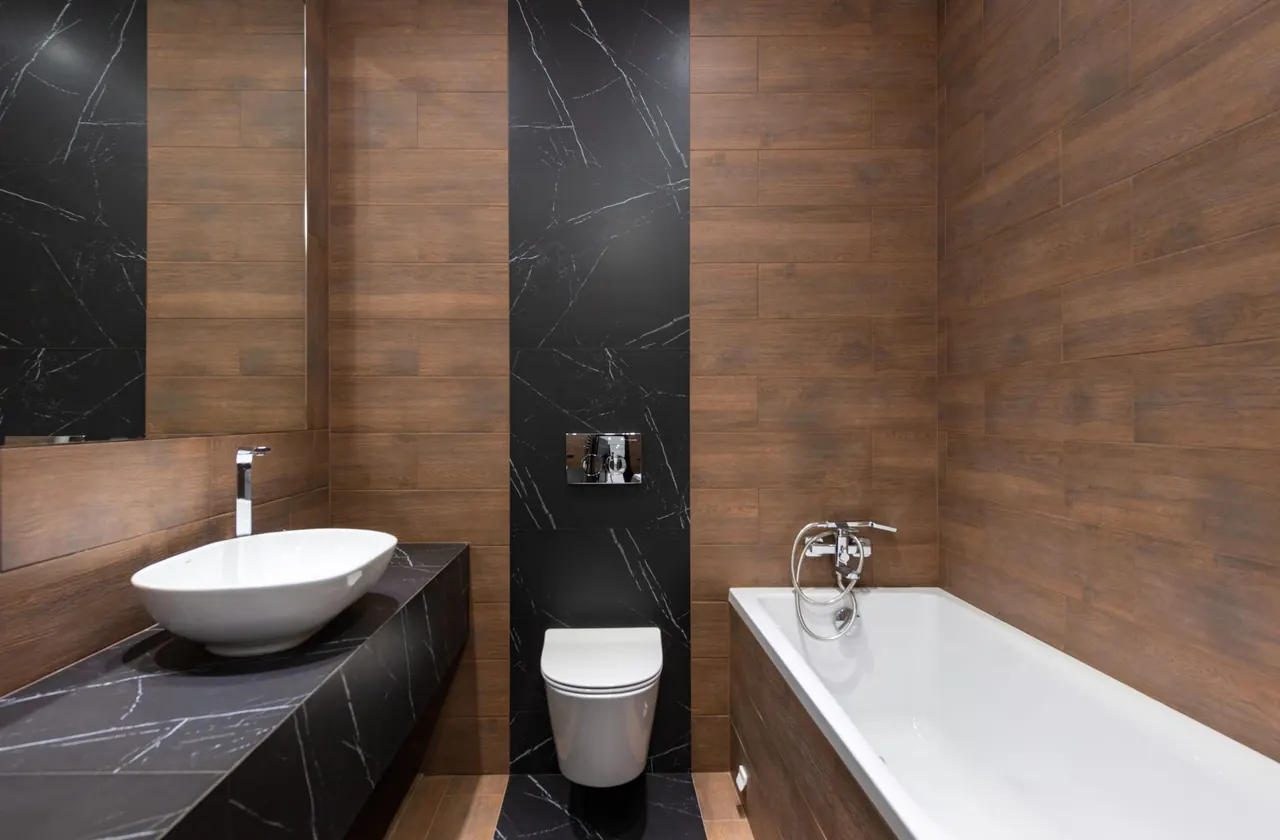
We run five full flushes and two half flushes on dual flush models, checking for leaks at the base and the supply line. The old toilet goes on the truck. We wipe down the floor and leave you with the model number and GPF rating for your rebate paperwork. Total time: two to three hours.
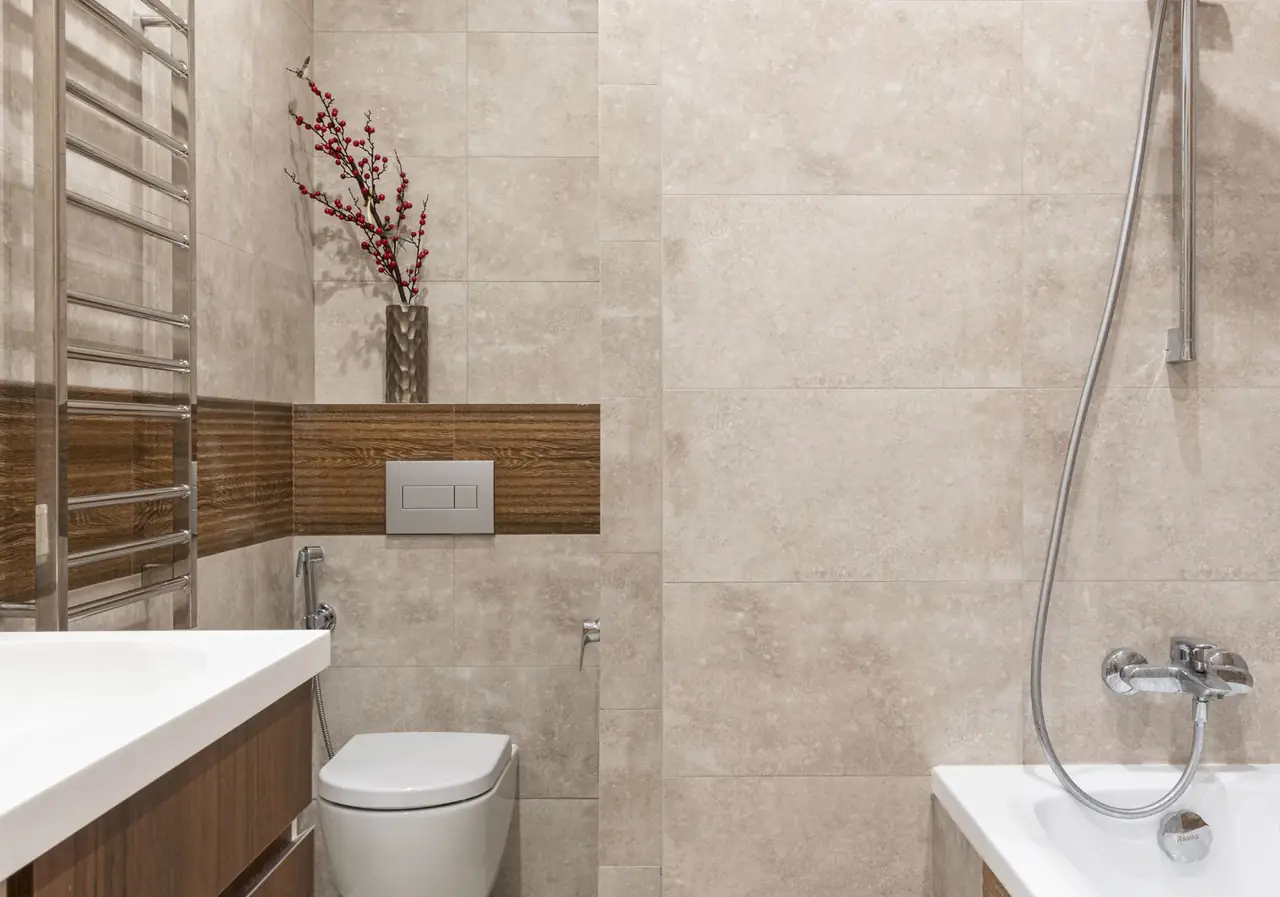
We use a closet auger to clear clogs through the trapway without scratching the porcelain. It reaches deeper than a plunger and works on stubborn blockages that a standard plunger can't move.
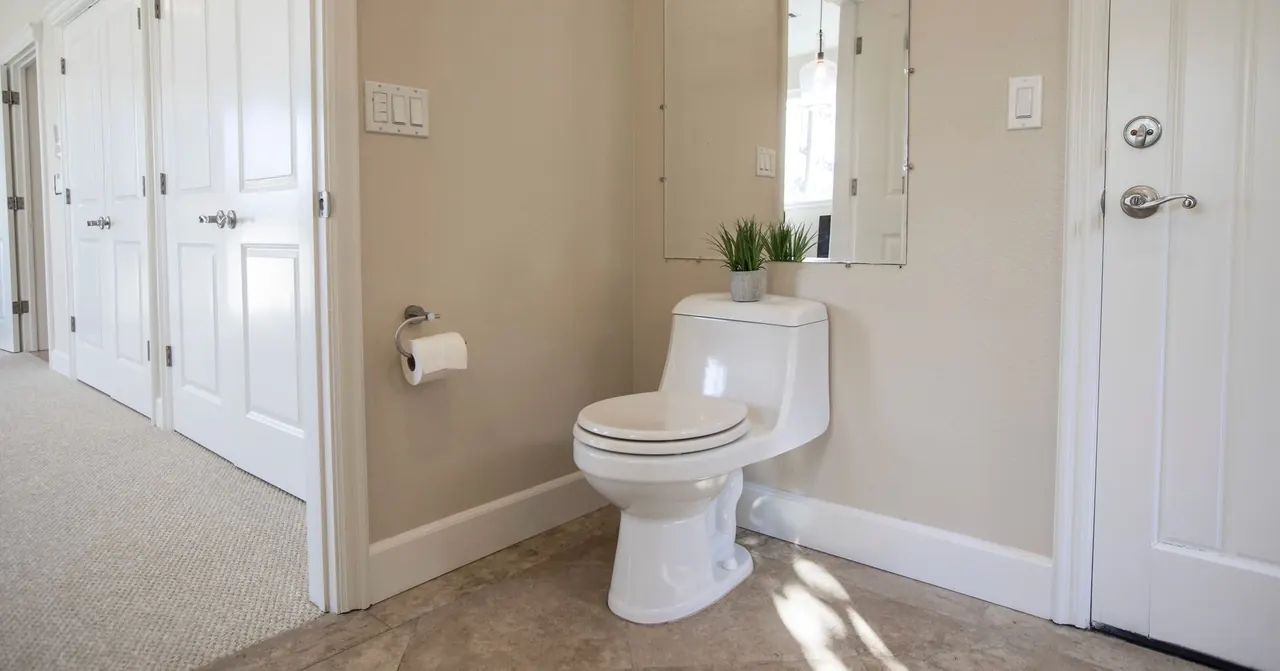
We scrape the old wax ring off the flange with a wax ring scraper and putty knife. A clean flange surface is what makes the new seal hold. Skipping this step is why some installs leak within a year.
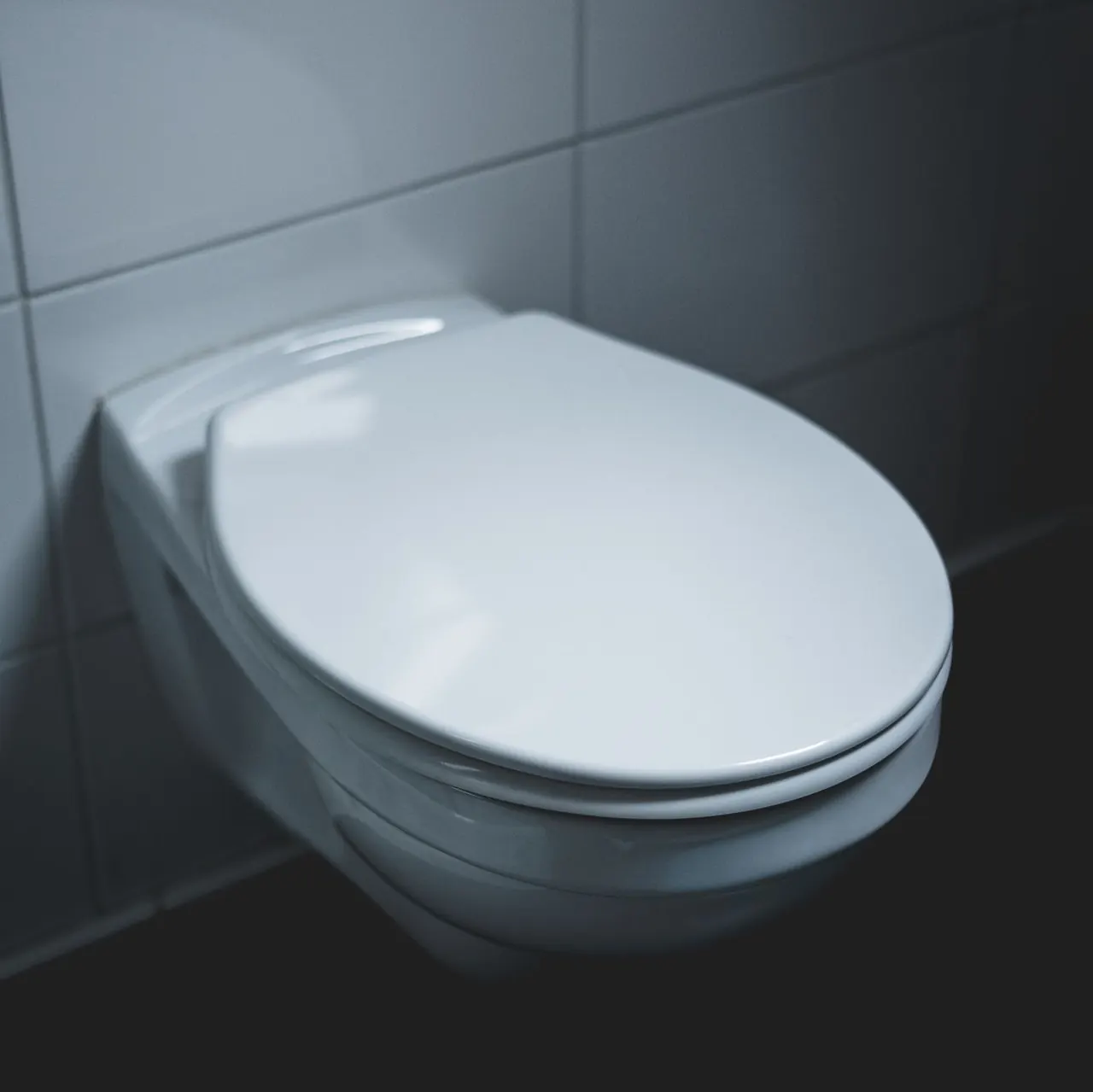
We use an adjustable wrench on the supply line and a torque wrench on the closet bolts. Even torque prevents the bowl from rocking and cracking. We tighten in a cross pattern, not one side at a time.
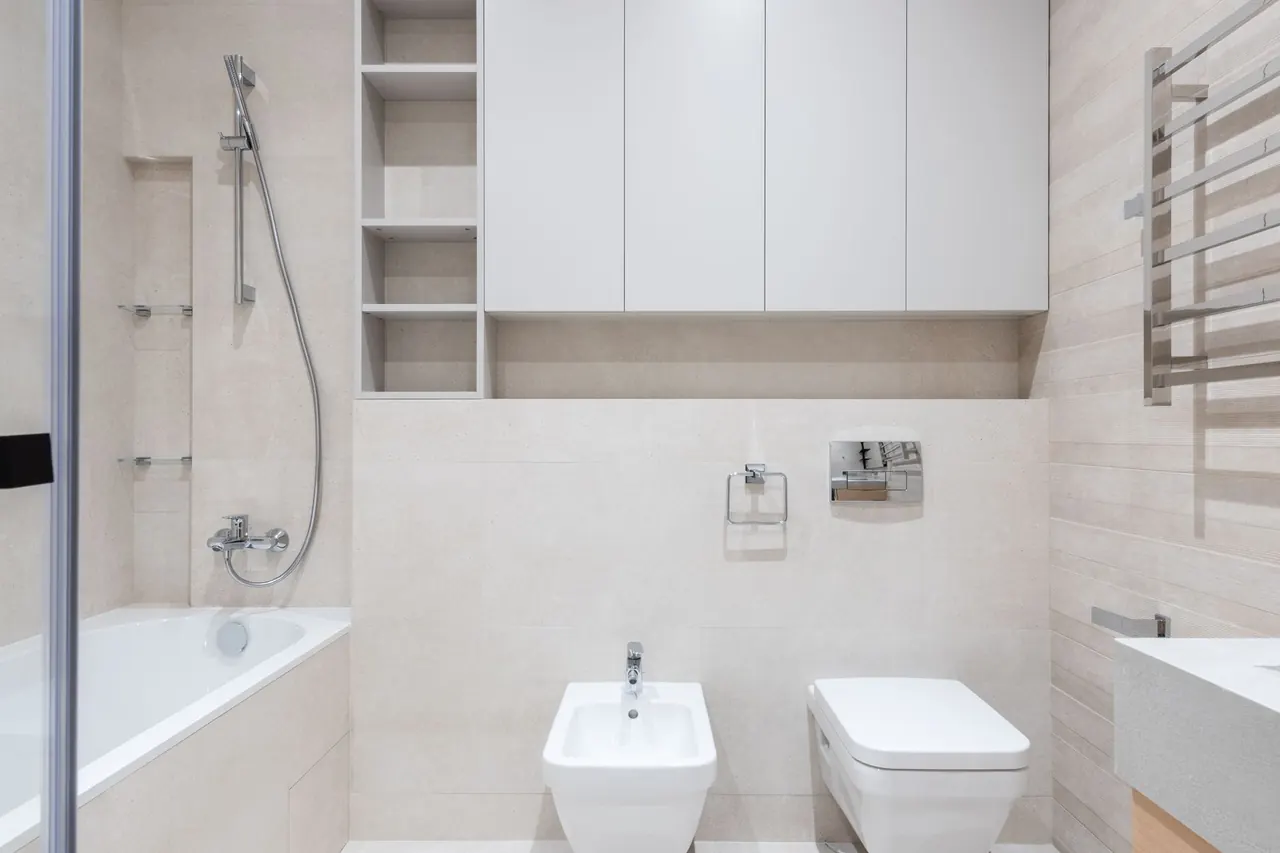
When we suspect a cracked flange or a blockage deeper in the drain, we run an inspection camera. It shows us the condition of the pipe and flange before we set the new toilet. No guesswork.
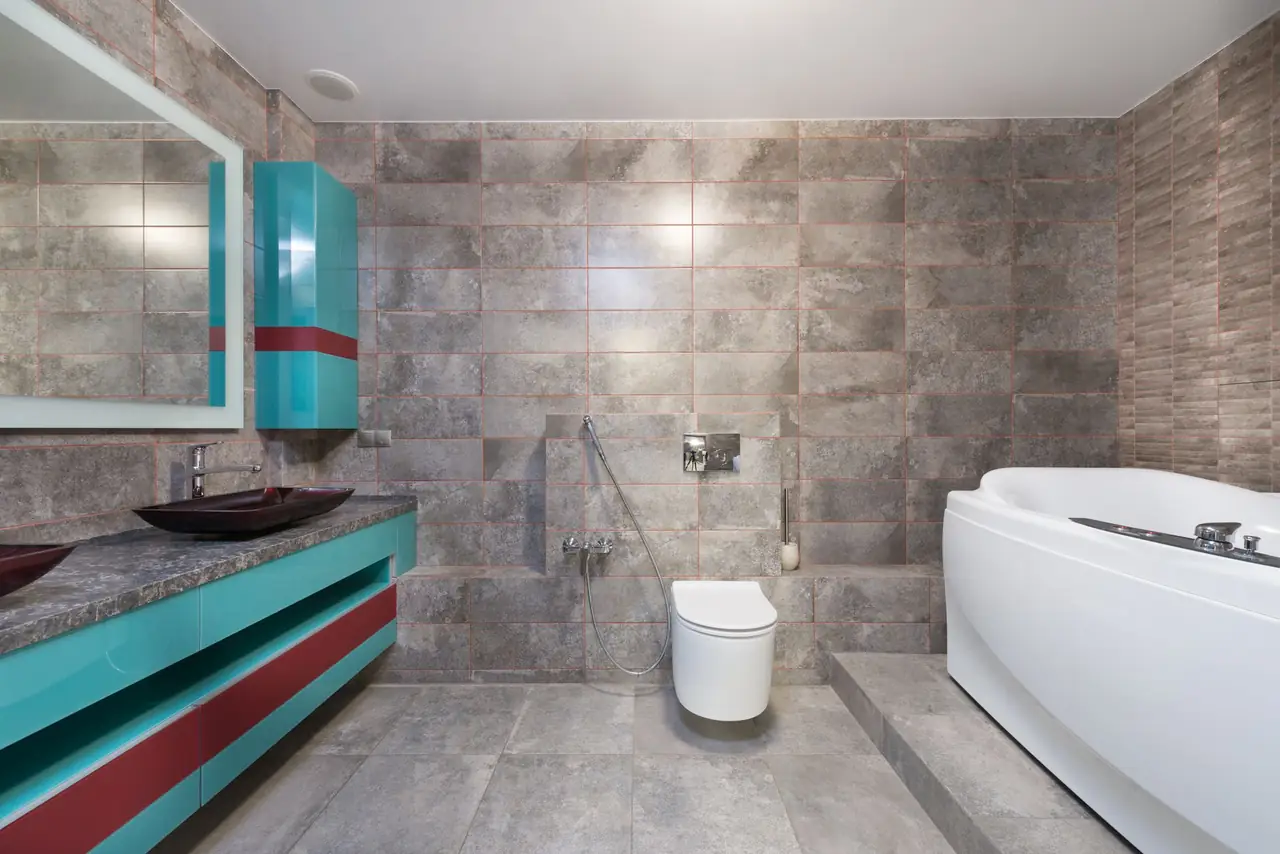
We vacuum out the tank and any water left in the bowl before pulling the toilet. That keeps the floor dry and prevents water from spilling into the subfloor. It also makes the old toilet lighter to carry out.
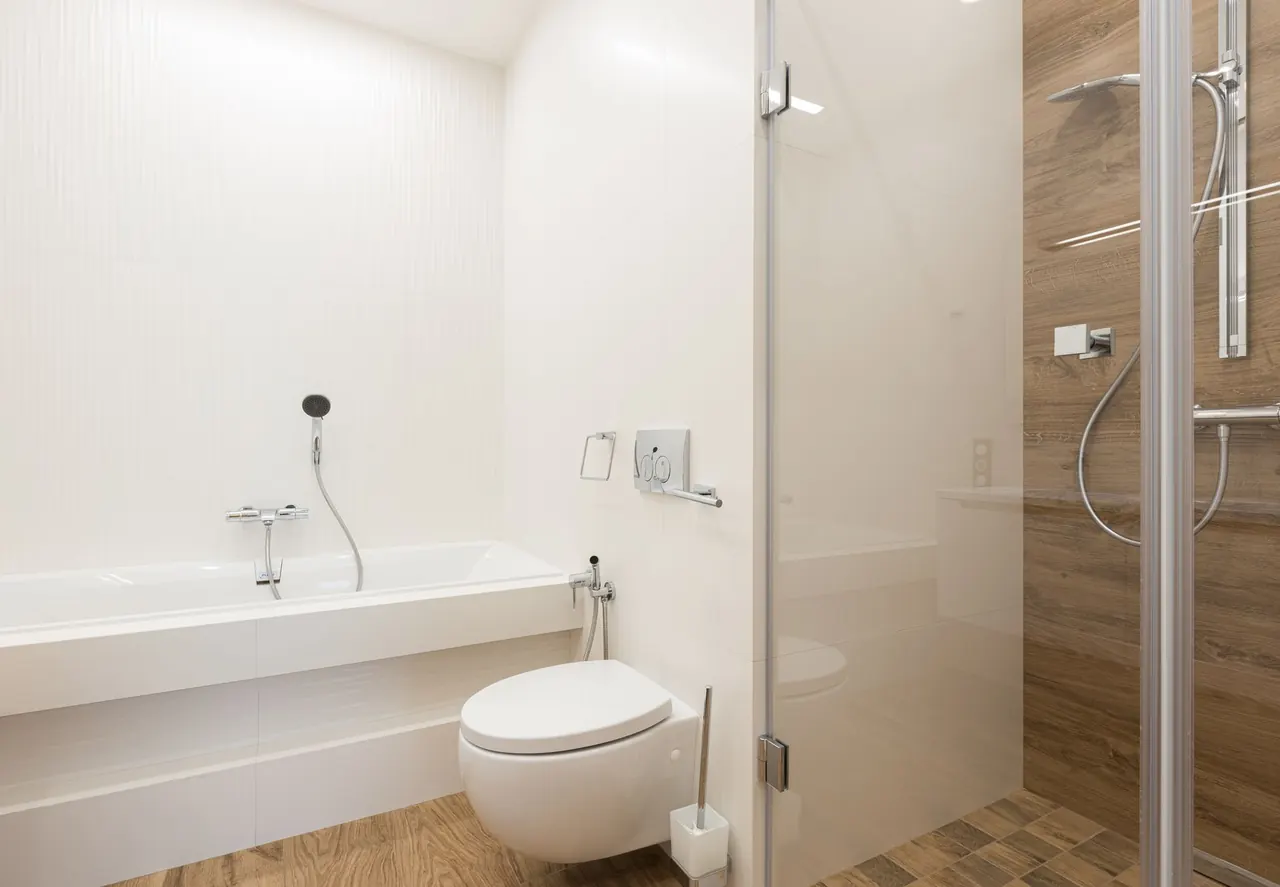
After the flush test passes, we run a bead of silicone caulk around the base. This keeps water from seeping under the bowl and stabilizes the toilet. We leave a small gap at the back so a future leak is visible.
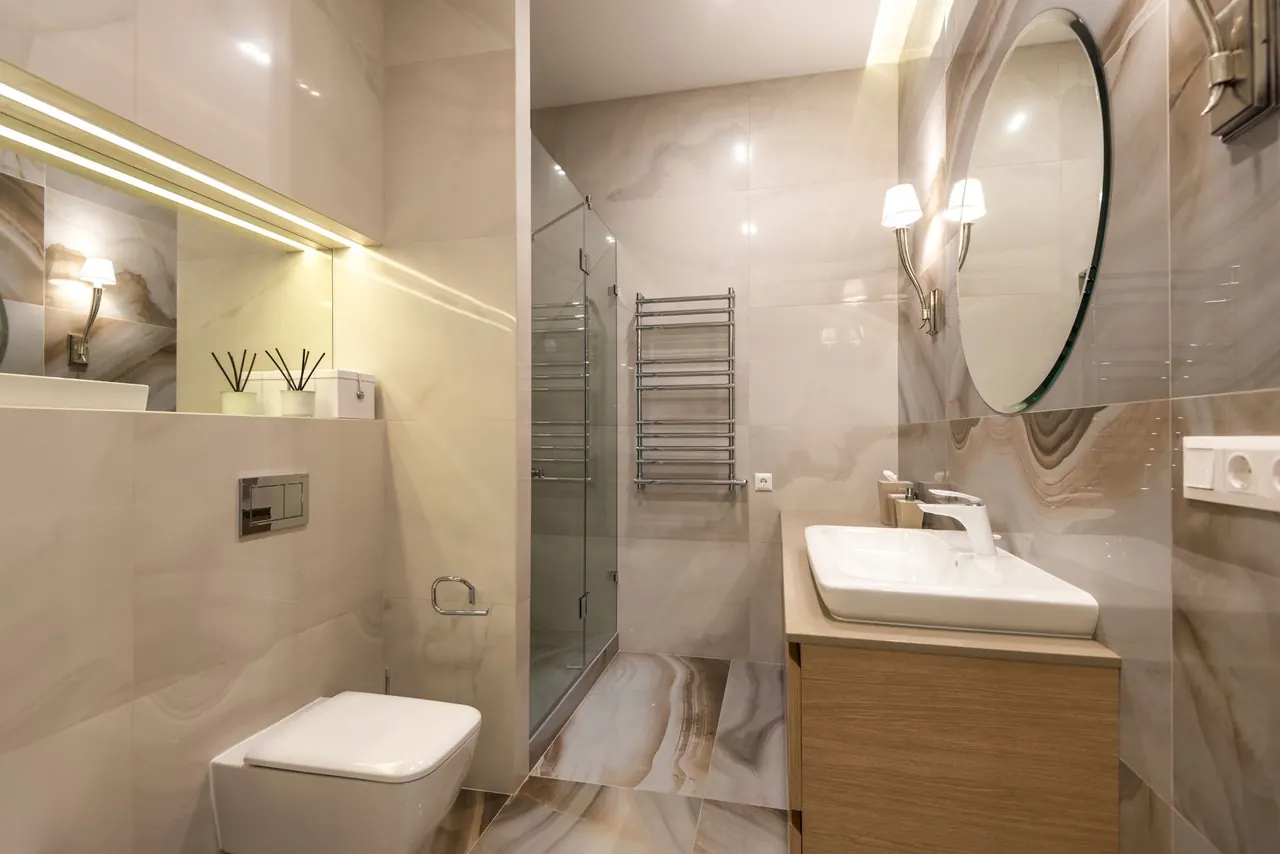
We set the flange so the new toilet sits level and the wax ring compresses evenly. Uniform Plumbing Code and International Plumbing Code both specify flange height relative to the finished floor. Getting this wrong causes leaks at the base, so we measure before we set the bowl.
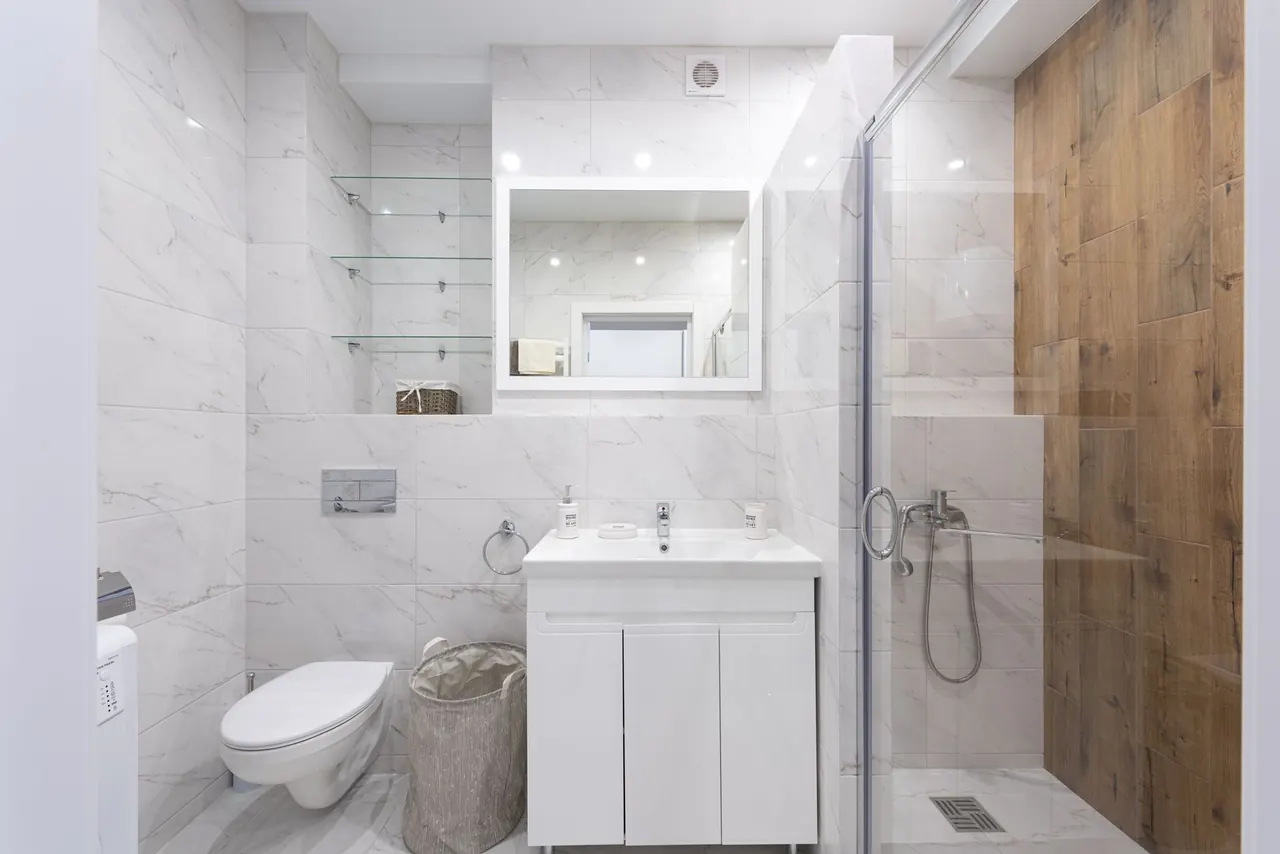
Every toilet we install meets EPA WaterSense certification at 1.28 GPF or lower. We verify the model number and GPF rating before the install. That's what makes the fixture eligible for most utility rebates and ensures you're getting real water savings.
We replace the flapper and fill valve first to stop the immediate waste. Then we show the homeowner a 1.28 GPF Kohler model that qualifies for WaterSense. We install it the same visit and haul away the old bowl. The running stops immediately. Water use drops from 3.5 GPF to 1.28 GPF. The homeowner gets the model number for a rebate and a toilet that flushes cleanly on the first push.
We schedule all three installs over two days. Each unit gets a WaterSense-certified 1.28 GPF model with a new wax ring and supply line. We note model numbers for the utility rebate and haul away all three old toilets. Water use drops by roughly 60% per unit. Tenants report fewer clogs. The property manager has the documentation to file for rebates on all three fixtures.
We pull the toilet, replace the corroded flange, and set a new wax ring. Since the toilet is off anyway, we install a dual flush model with an ADA-height bowl. The new shut-off valve goes in while the water is off. The leak stops and the floor stays dry. The homeowner gets a 1.28 GPF toilet that meets ADA Accessibility Guidelines. The new quarter-turn shut-off valve makes future repairs easier.
We spec a TOTO or Kohler 1.28 GPF model with a larger trapway and a quieter fill valve. The rough-in is standard 12 inches, so no floor modification is needed. We install it in about two hours and test every flush. The new toilet uses 1.28 GPF instead of 1.6, saving about 2,300 gallons a year. It runs quieter and clears the bowl on the first flush. The old builder-grade unit goes on the truck.
Littleton's housing stock spans 1950s ranches near Historic Downtown to new builds in Sterling Ranch, and each era brings different toilet issues. In older homes, we often find cast iron flanges that have corroded and shut-off valves that freeze up after a cold snap. In 1980s builds around Columbine Hills and Leawood, the original 3.5 GPF toilets are still in place, and hard water mineral buildup has worn out the flappers and fill valves. We check the flange and the angle stop on every job because those two parts cause most callbacks. For newer homes, the rough-in is usually a standard 12 inches, so the swap is straightforward. If you're looking for a low flow toilet upgrade Littleton, we'll confirm your ZIP and schedule a visit. We work across Arapahoe County and know which neighborhoods have the older plumbing that needs extra attention.
A Columbine Hills homeowner had a 1985 toilet that ran constantly and used 3.5 GPF. The flapper was worn and the fill valve whistled. Water bill had climbed $22 a month over the previous year. The bowl also clogged about once a week.
We installed a 1.28 GPF Kohler with a new wax ring and braided supply line. The running stopped immediately. Water use dropped by about 63% per flush. The homeowner reported no clogs in the first three months and a $19 monthly bill reduction.
Check the flapper for wear once a year and replace it if it stops sealing. Keep the fill valve water level at the marked line. Avoid chemical bowl cleaners that degrade rubber parts over time.
A Historic Downtown Littleton home had a toilet leaking at the base for weeks. The wax ring had failed twice. The flange was cracked and the shut-off valve was frozen. Water stained the subfloor around the drain.
We replaced the flange, installed a new quarter-turn shut-off valve, and set a dual flush toilet on a fresh wax ring. The leak stopped. The homeowner now uses the half flush for most trips, cutting water use by about 50% compared to the old 3.5 GPF model.
Run the half flush for liquid waste and the full flush for solids. Check the base for moisture once a month. If the floor feels soft, call us before the subfloor rots further.
A property manager had three rental units with original 1980s toilets using 3.5 GPF. Tenants reported frequent clogs and running toilets. Water costs across the units were climbing every quarter.
We installed WaterSense-certified 1.28 GPF models in all three units over two days. Each install took about two and a half hours. Water use dropped by roughly 60% per unit. The manager got model numbers for rebate paperwork and no clog calls in the following six months.
Replace flappers every two to three years in rental units because tenants rarely report running toilets. Keep the model numbers on file for future rebate programs. Check the supply line at each turnover.
Old toilets cause more problems than just high water bills. Here are the issues we fix most often in Littleton homes.
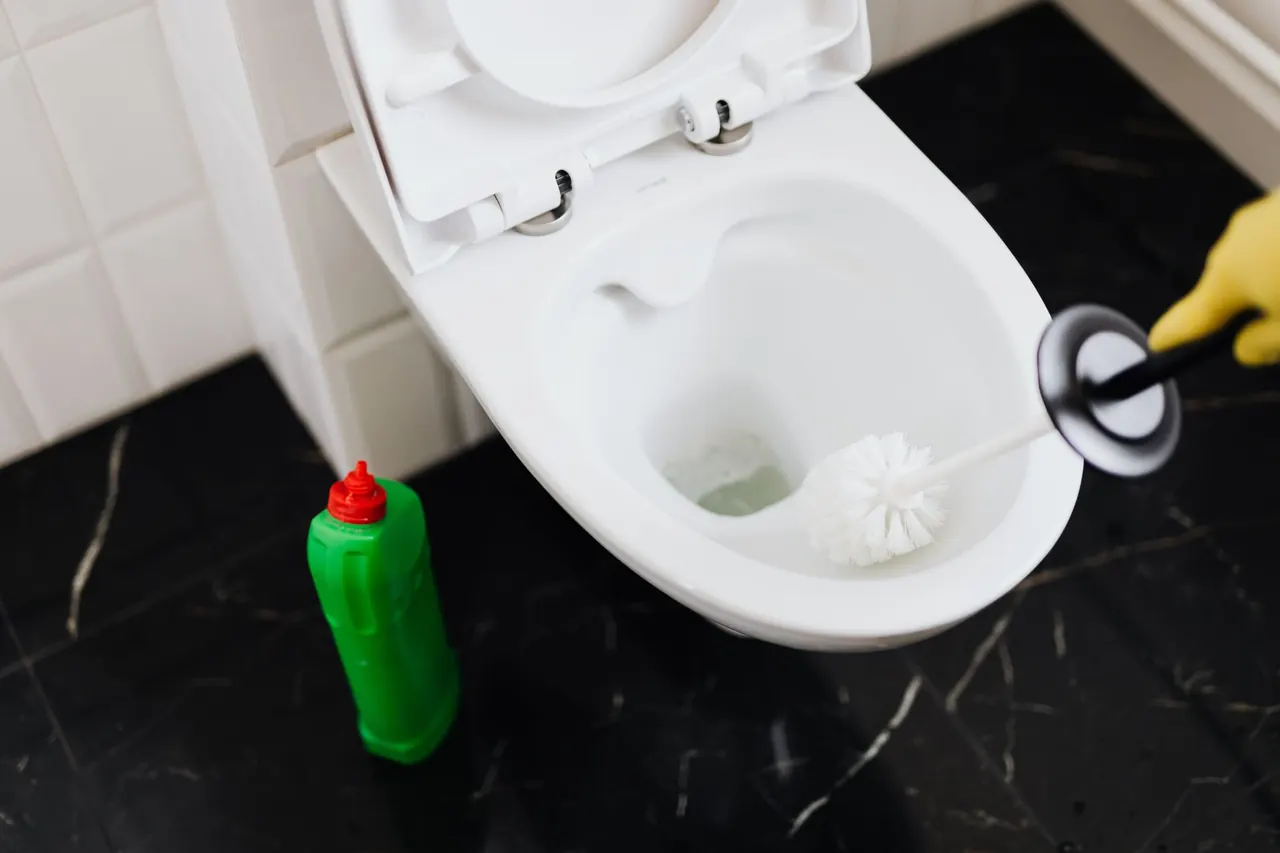
We replace the flapper and fill valve if the tank is worth saving. If the toilet is a 3.5 GPF model from the 1980s, we recommend a 1.28 GPF toilet upgrade Littleton to stop the waste permanently. Most installs take two to three hours. A running toilet can waste 200 gallons a day. That's roughly 6,000 gallons a month and a visible jump on your Littleton water bill. The cause is usually a worn flapper or fill valve that no longer seals.
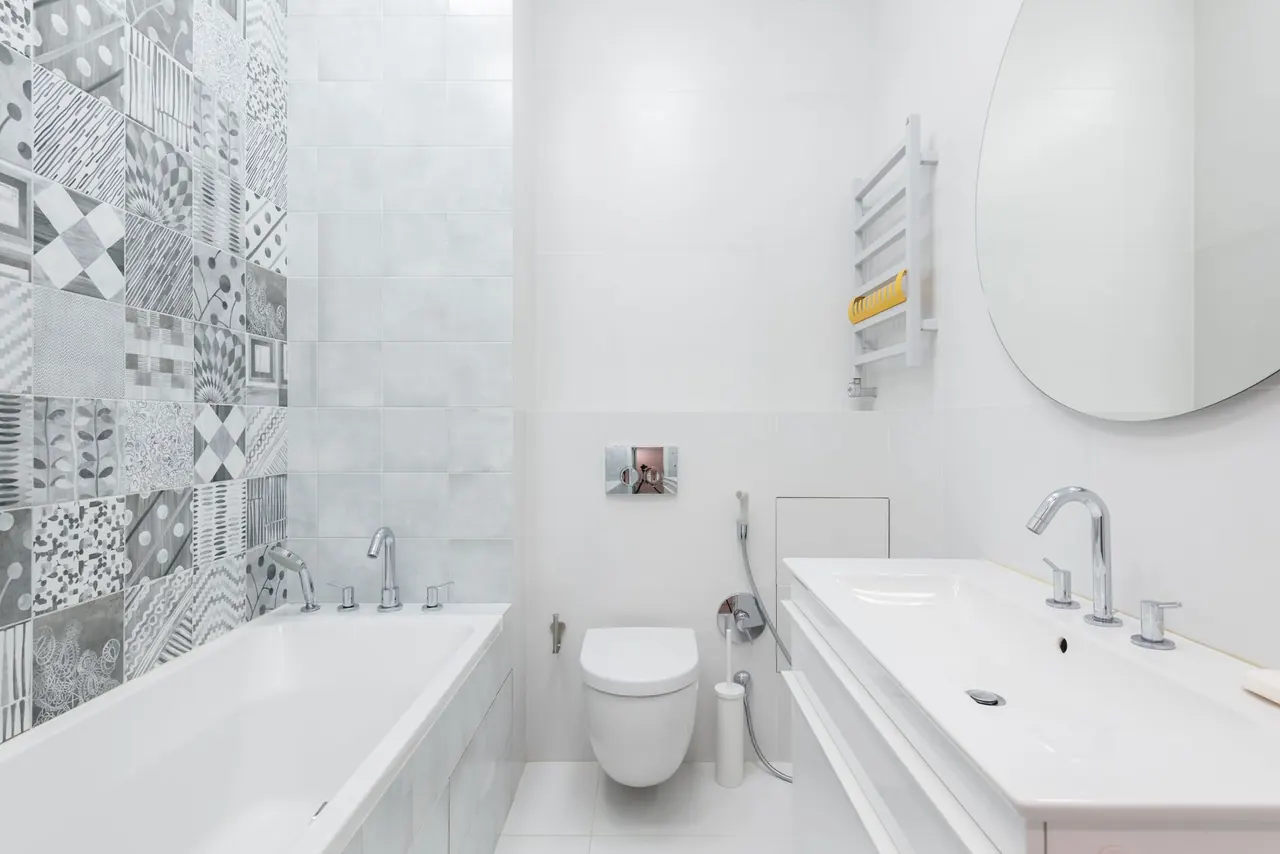
We clear the current clog with a closet auger or drain snake. Then we check the trapway for scale. If the bowl is the problem, a dual flush toilet installation Littleton CO with a wider trapway and a redesigned siphon jet clears waste on the first push. A weak or slow flush means you're plunging weekly and avoiding guests. Hard water mineral buildup narrows the trapway over time. Older bowls with small trapways clog more often, especially in homes with multiple users.
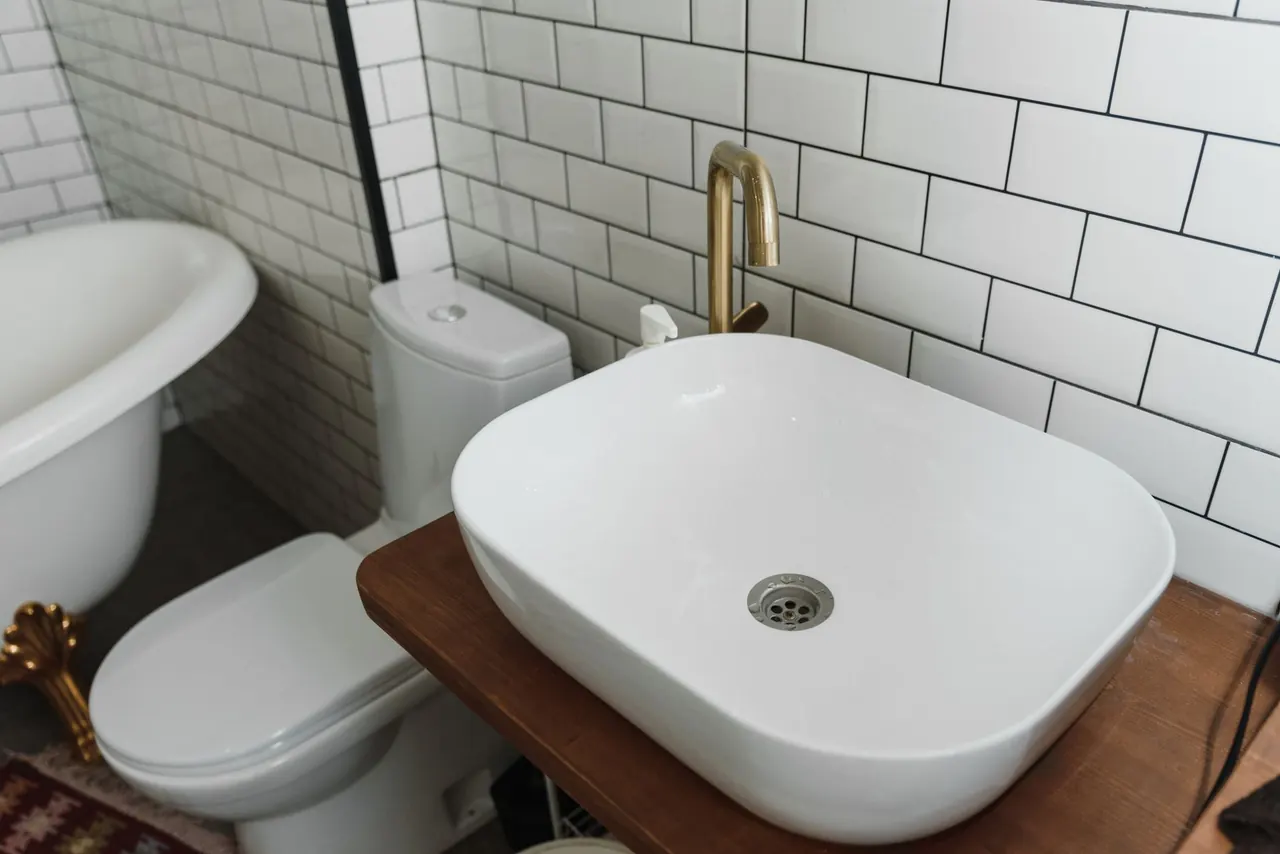
We pull the toilet, inspect the flange, and replace the wax ring. If the flange is cracked, we repair or replace it and bring it to the correct height. Then we set the new efficient toilet on a fresh seal and test for leaks. Water around the base means the wax ring has failed or the flange is cracked. Left alone, the subfloor rots and you risk sewage odor in the bathroom. This is common in older Littleton homes with cast iron or corroded flanges.
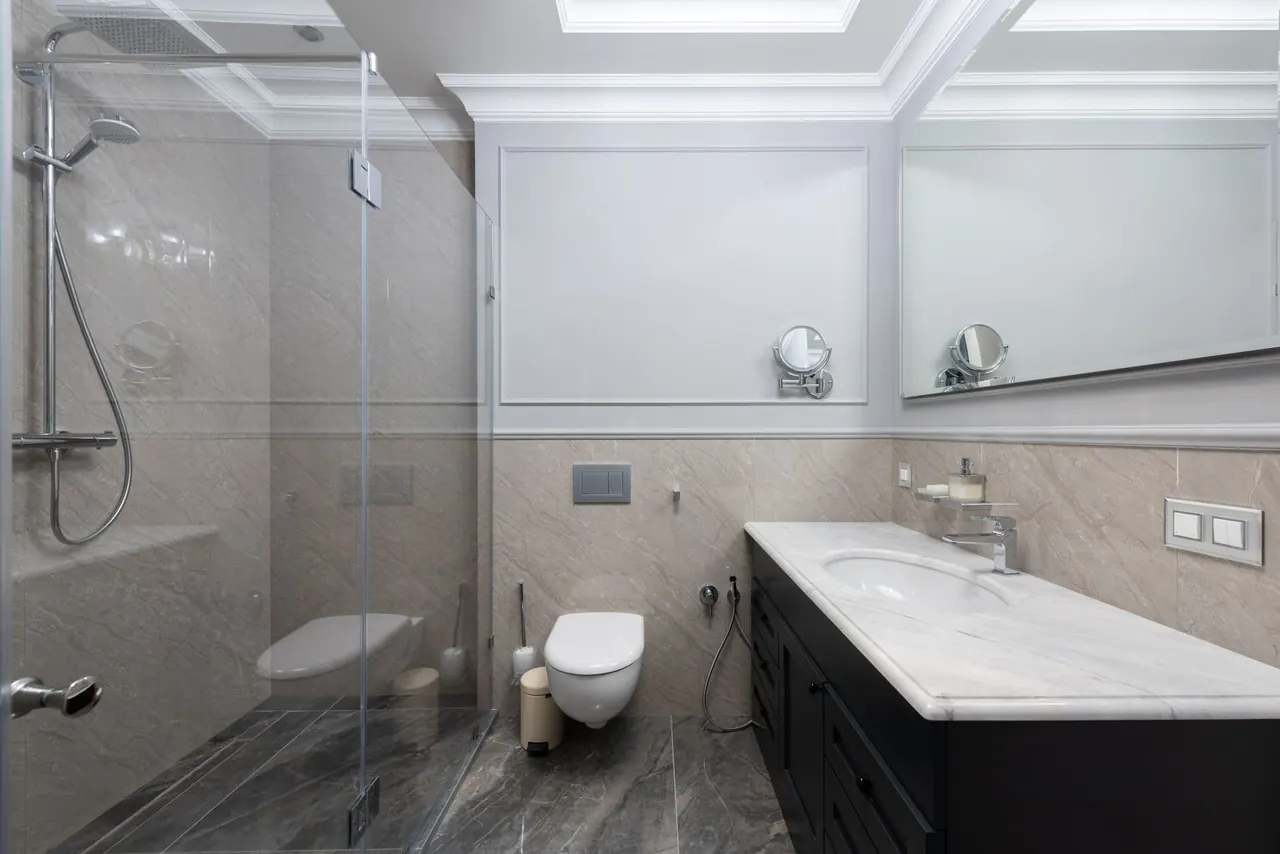
We install a WaterSense-certified 1.28 GPF or dual flush model. You cut water use by up to 60% per flush without losing flush power. We note the model number for any low flow toilet rebate Littleton Colorado programs may offer. A pre-1994 toilet uses 3.5 to 5 gallons per flush. For a family of four, that's 13,000 to 18,000 gallons a year. Littleton water rates make that a real line item on your quarterly bill.
A 1.28 GPF toilet upgrade Littleton uses about 1.28 gallons per flush versus 3.5 in older models. For a family of four, that's roughly 13,000 gallons saved per year per toilet. Littleton water rates make that math obvious on your first quarterly bill after the swap.
Modern Kohler and TOTO bowls use a larger trapway and a redesigned siphon jet, so a low flow toilet upgrade Littleton clears waste on the first push. No double-flushing, no plunger sitting next to the bowl. We test every install with real flush volume before we pack up.
New flappers, fill valves, and a fresh wax ring eliminate the worn parts that cause repeated clogging and toilet leaking at the base. You stop paying for small repairs every few months. The fixture runs quiet and the trip lever feels solid instead of loose.
Many WaterSense toilet replacement Littleton, Colorado jobs qualify for local utility rebates when the model meets the 1.28 GPF threshold. We note the model number and GPF rating on your invoice so you have the paperwork ready. Ask us which units currently qualify before we order.
Clear records you can keep and share.
Model, GPF rating, and parts listed
Five full flushes before we leave
Not every old toilet needs a full replacement. Sometimes a flapper and fill valve restore efficiency. We check the tank before we recommend a new fixture.
If the tank is 1.28 GPF and the flapper is worn, a repair restores efficiency. If the bowl is 3.5 GPF, a replacement saves more water over time.
Older toilets use 3.5 to 5 gallons per flush. New WaterSense models use 1.28 or less. That difference shows up on your water bill every quarter.
A cracked flange means the toilet won't seal no matter how many wax rings you use. We inspect the flange on every install and repair it if needed.
Outside these areas? Call and ask, we may still be able to help. (720) 894-1003
Still wondering? (720) 894-1003
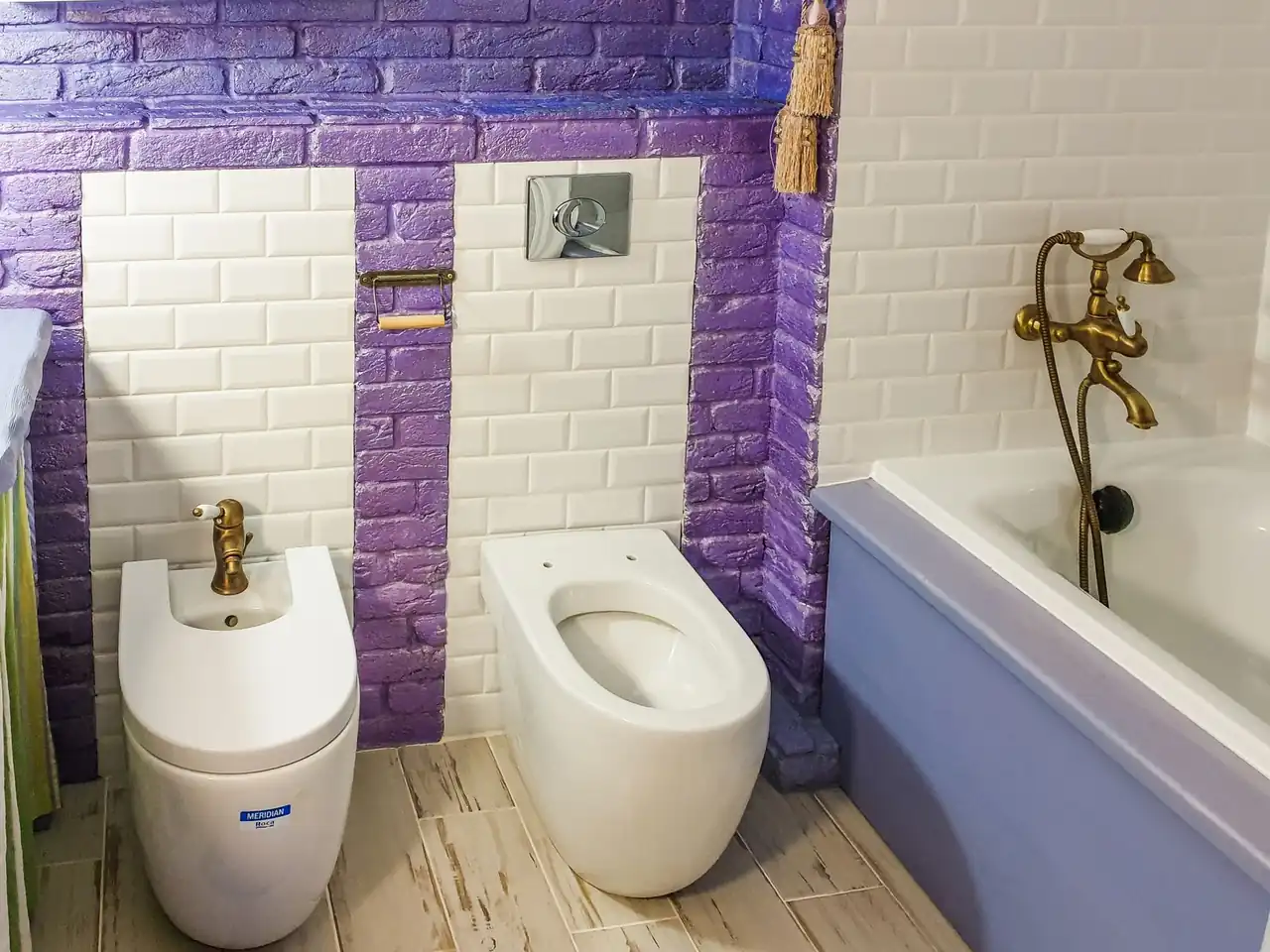
Yes, for most Littleton homes. A 1.28 GPF model saves roughly 13,000 gallons per year compared to a 3.5 GPF toilet, and Littleton water rates make that payback visible within two to three years. Modern Kohler and TOTO bowls also flush better than the low-flow models sold in the 1990s. If your current toilet runs constantly or clogs often, the upgrade pays off even faster.
Toilets made before 1994 typically use 3.5 to 5 gallons per flush. That's roughly 13,000 to 18,000 gallons per year for a family of four. A 1.28 GPF toilet upgrade Littleton cuts that to about 4,700 gallons annually. If your toilet is from the 1970s or 1980s, which is common in Leawood and Columbine Hills, you're likely on the high end of that range.
Many Colorado utilities offer rebates for WaterSense-certified toilets at 1.28 GPF or lower. The exact amount and eligibility rules change, so check with your water provider before you buy. We note the model number and GPF rating on your invoice to make filing easier. Ask us which models currently qualify when we do the install.
Typical 2026 pricing for a full High Efficiency Toilet Upgrade Littleton CO runs $350 to $850 installed, depending on the model and whether we need to replace the flange or shut-off valve. A basic 1.28 GPF unit with a standard wax ring sits at the low end. Dual flush models, ADA-height bowls, and flange repairs push toward the top. We give you the range before we start.
Call (720) 894-1003 and we'll give you a price range over the phone. We install WaterSense-certified toilets across Littleton and Arapahoe County, usually within a few days. Old toilet hauled away, new one tested before we leave.
Call (720) 894-1003 or email [email protected] to schedule service. We answer the phone during business hours and respond to after-hours emergency calls for active leaks and backups. Most repairs are scheduled same day or next day.