Written scope
What is removed, cleaned, and repaired
Sewage Backup and Toilet Overflow Remediation Littleton CO is what we do when a toilet overflows or a main line backs up into your home. We handle sewage backup cleanup Littleton calls day and night, pulling standing waste, sanitizing the space, and repairing the failed toilet or line that caused it. If water is rising right now, call (720) 894-1003 and we will get a crew moving to your address.
Every backup is different, but the core scope is the same: stop the source, remove the waste, sanitize, dry the space, and repair what failed. Here is what is covered on a standard call and what we quote separately if the damage goes further.
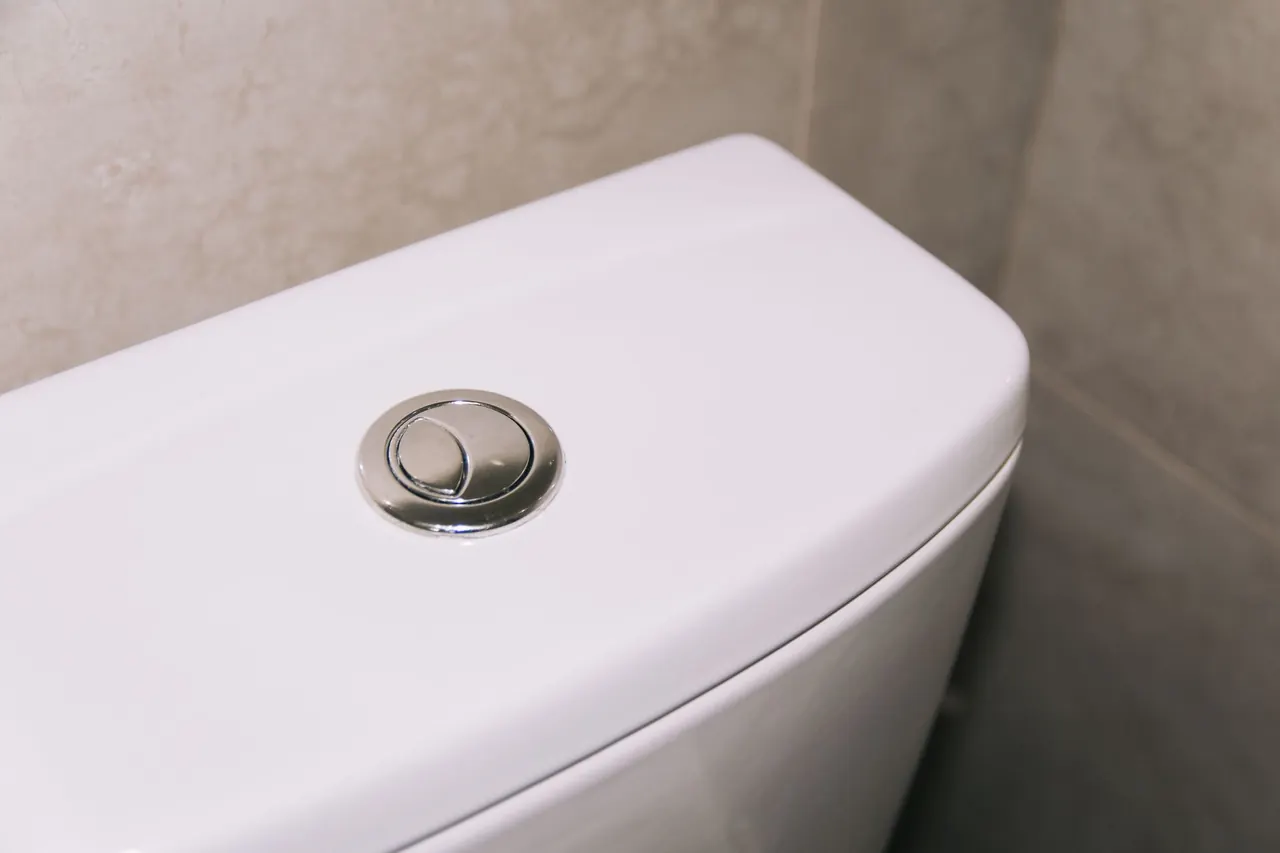
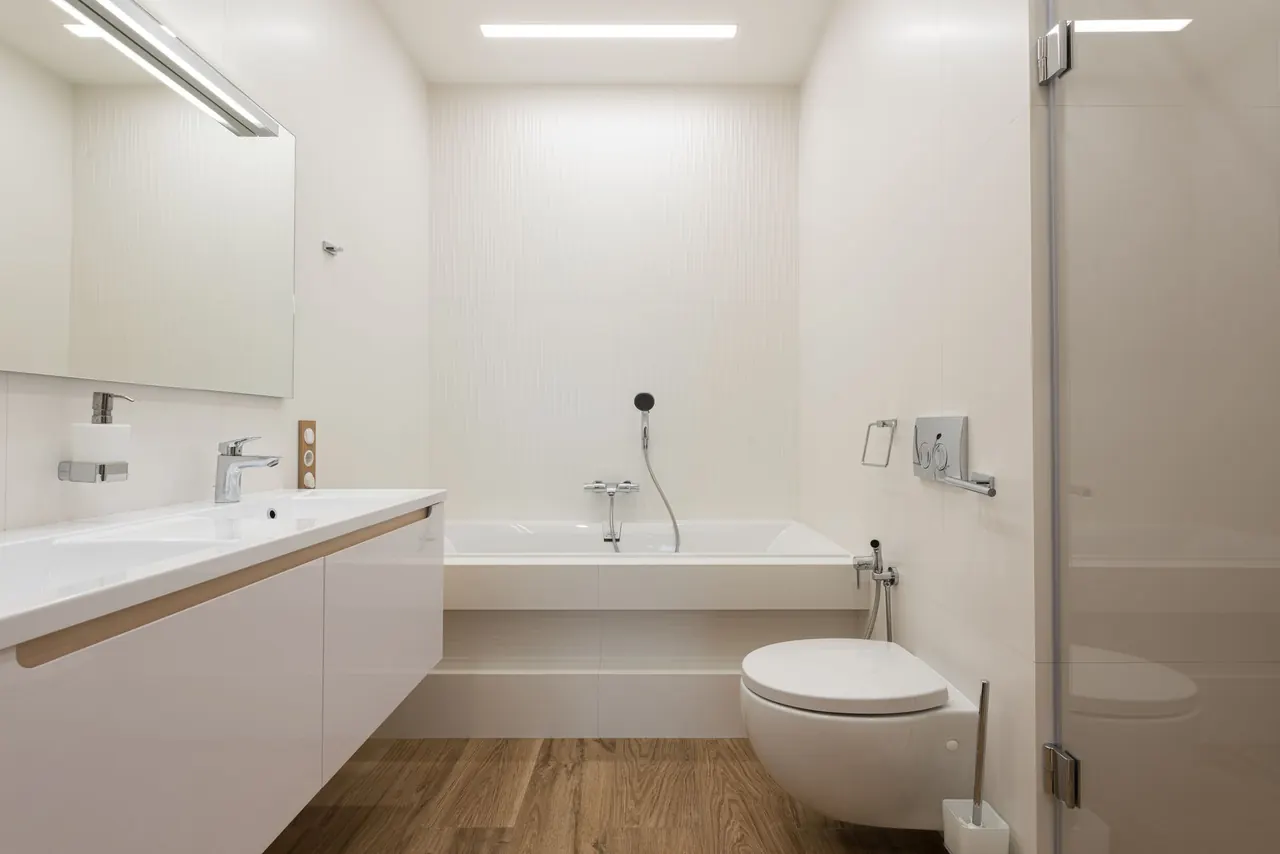
A backup in a home usually starts at a toilet or a basement floor drain. We stop the flow, extract the waste, and repair the fixture or line that failed.
A backup in a commercial restroom can shut down a floor for a day. We repair the fixture, extract the water, and sanitize the area so you can reopen.
Sewage Backup and Toilet Overflow Remediation Littleton CO is the emergency plumbing service that stops a sewage backup or toilet overflow, extracts contaminated water, sanitizes the affected area, and repairs the failed fixture or drain line that caused it. Raw sewage carries bacteria, viruses, and parasites, so the work is not just mopping up water. We pull the standing waste, remove soaked materials, disinfect hard surfaces, and restore the toilet, flange, or main line so the backup does not repeat.
Most Littleton calls we run start the same way: a toilet overflows onto a bathroom floor, or a basement floor drain backs up after heavy rain. Homes in Arapahoe County built before 1980 often still have cast iron drain lines that scale shut, and October cold snaps can freeze a partially blocked line until it lets go all at once. If you are searching sewage backup cleanup near me Littleton CO at 2 a.m., we answer the phone and dispatch.
Stop the flow, pull the waste, sanitize the space, fix what failed.
Five steps, in order, from the moment you call until the space is dry and the fixture is repaired. You will know what is happening at each stage and what it costs before we start.
We ask three questions: is the water still rising, is it in a basement or on a main floor, and is there a clean-out or shut-off you can reach. That tells us what to bring. You get an arrival window, and we stay on the line if you need help shutting off the water supply.
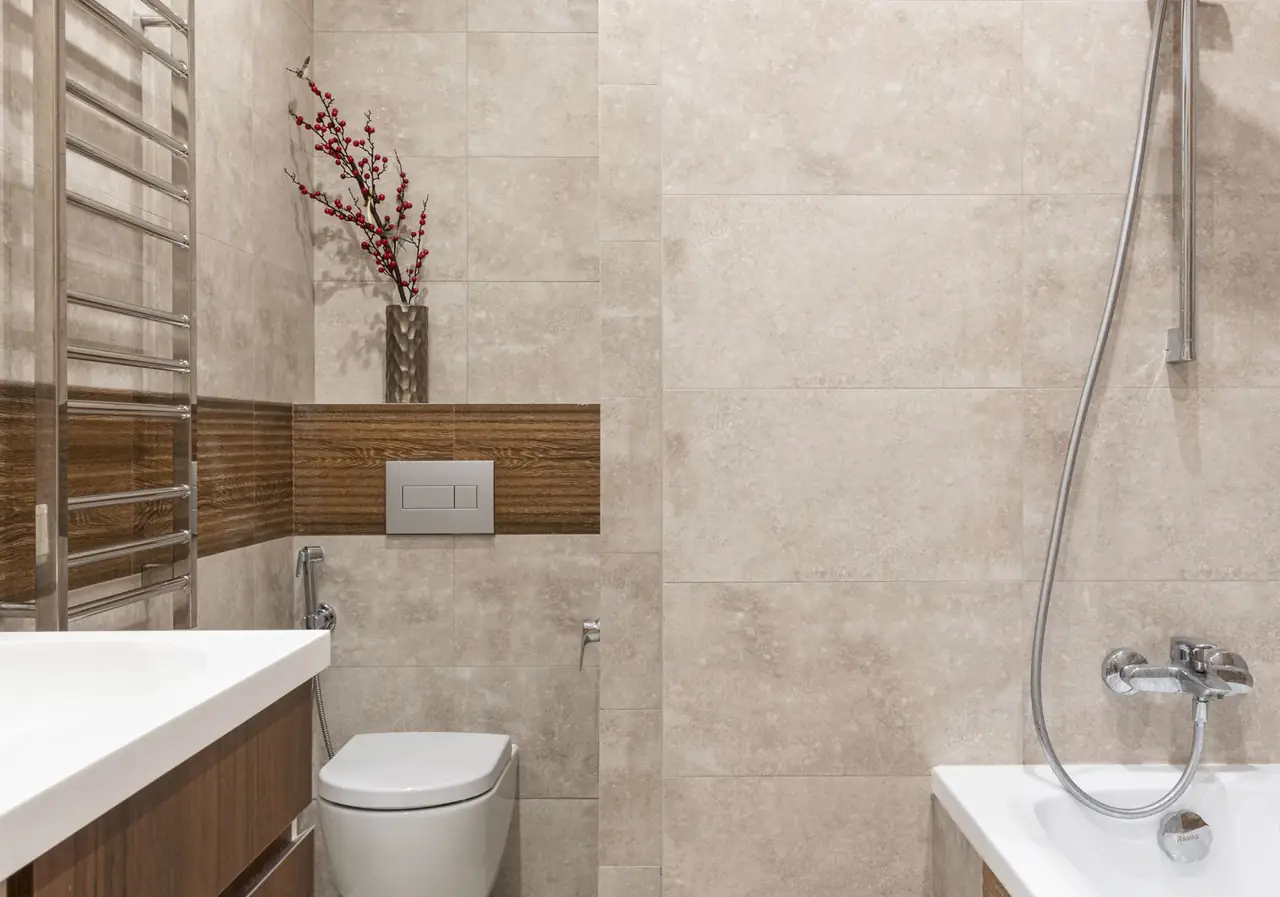
First we stop more waste from entering the space. That may mean shutting the angle stop behind the toilet, pulling the tank lid to check the fill valve, or opening the exterior clean-out to relieve pressure on the main line. This usually takes 10 to 20 minutes.
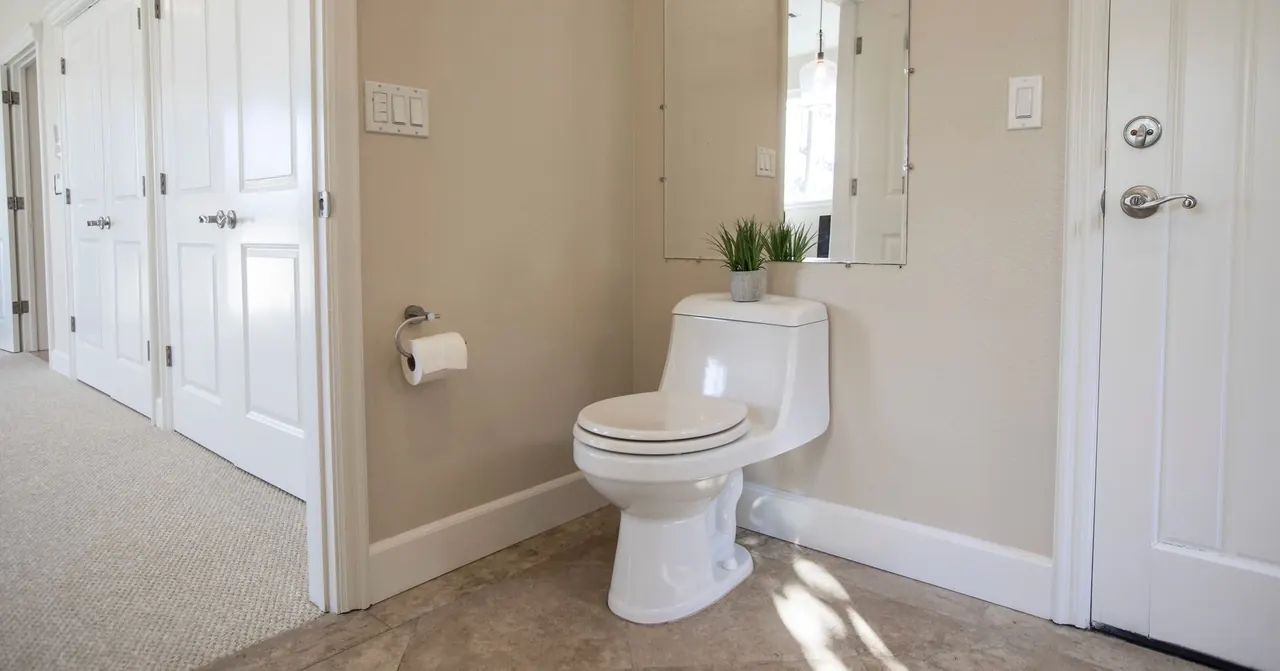
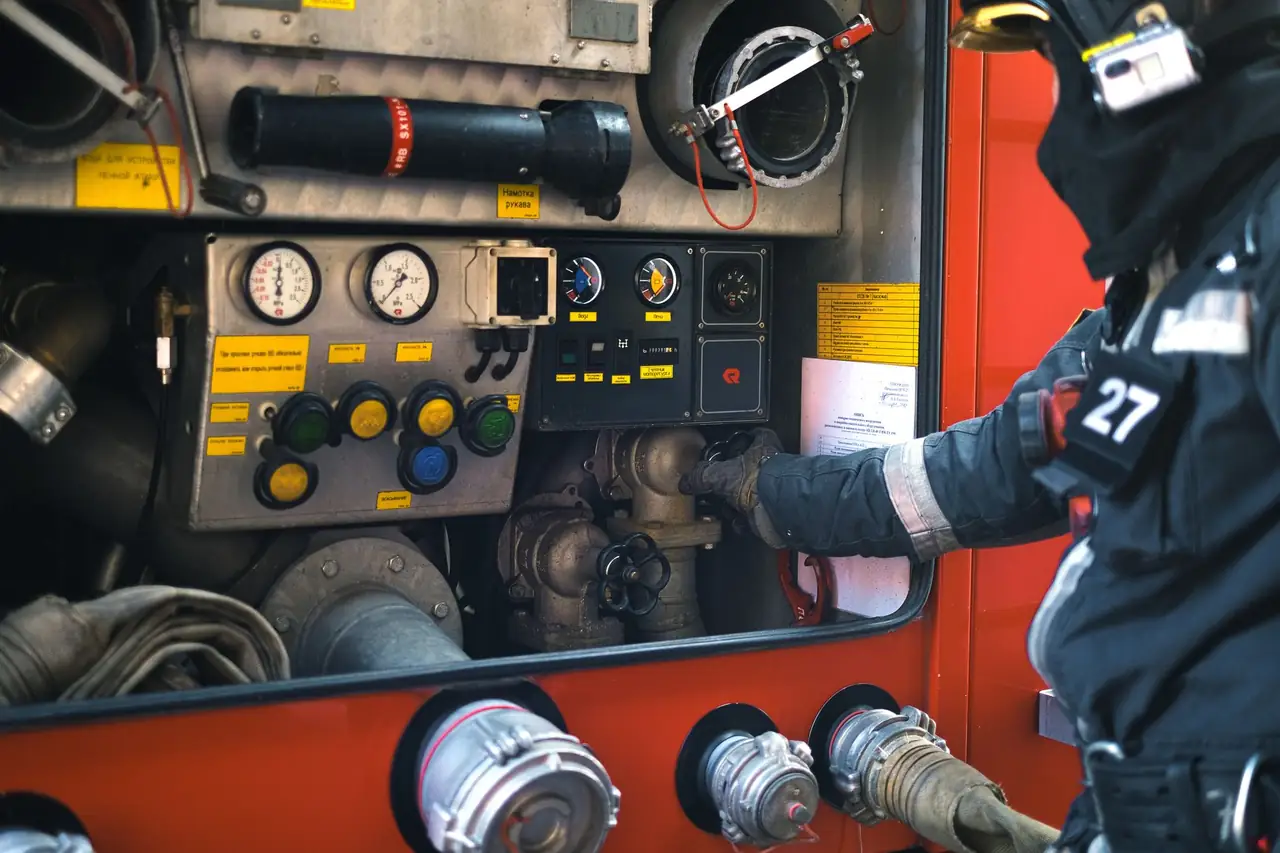
We set containment at doorways and run a wet/dry shop vacuum and transfer pump to pull standing water. Category 3 water, which is what sewage is, gets handled with gloves, eye protection, and boots. Expect the extraction phase to run one to three hours depending on volume.
After extraction we remove soaked porous material, apply disinfectant, and set air movers and a dehumidifier. We take moisture readings at the start and again before we leave. Most Littleton homes dry in 24 to 72 hours depending on how long the water sat.
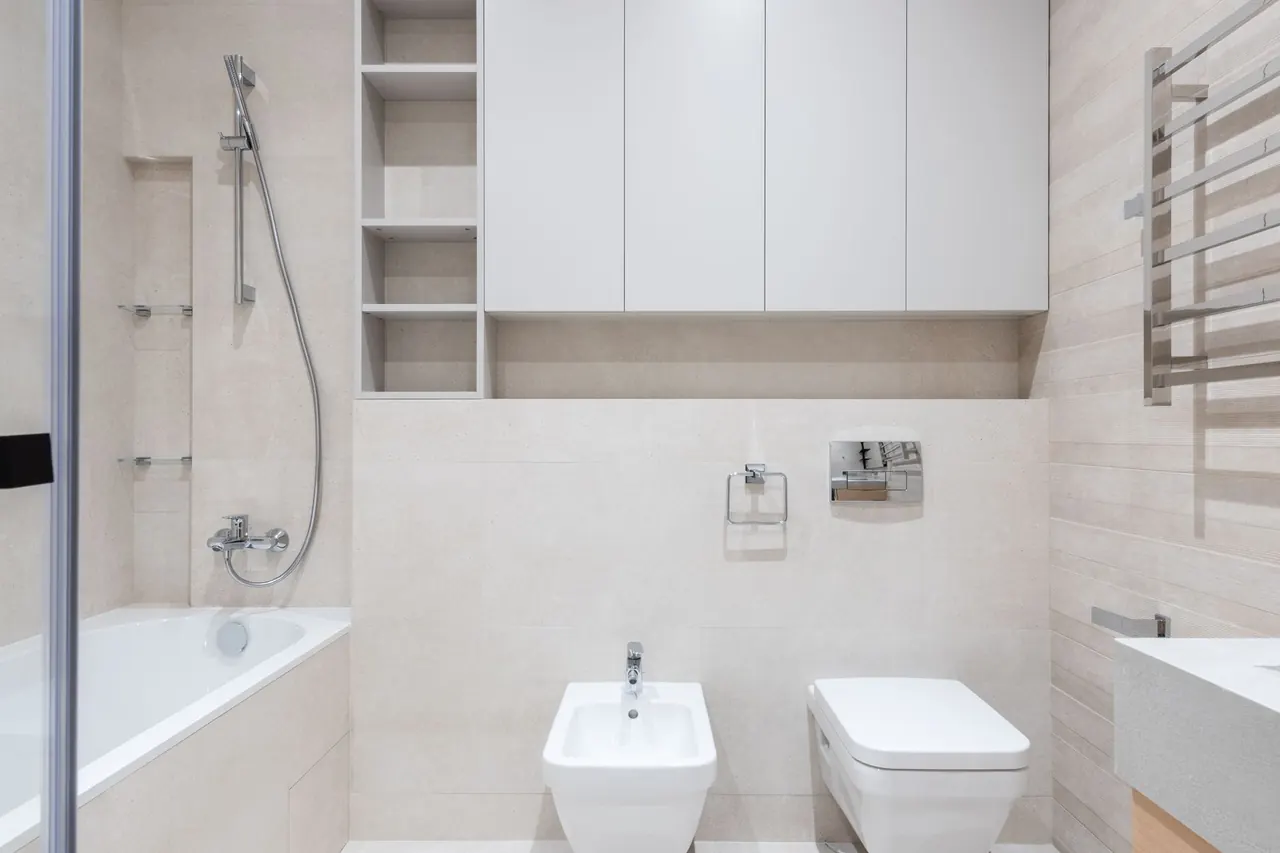
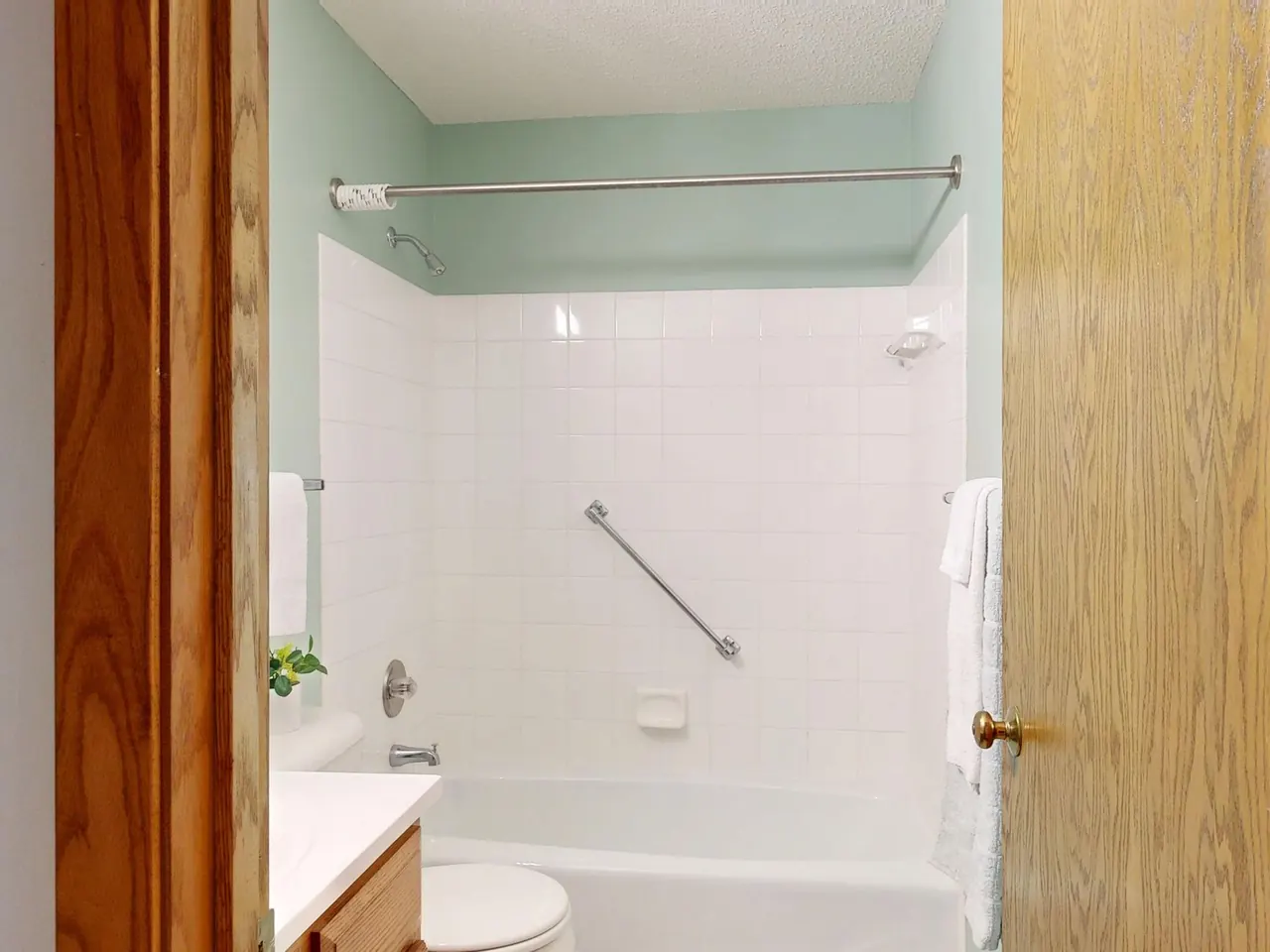
Last step is fixing what failed. That could be a wax ring, a toilet flange, a flapper, or a section of PVC or ABS pipe. We reset the toilet with a new wax ring and closet bolts, then flush and run water to confirm no leak at the base before we pack up.
Pulls standing sewage and water from floors, carpet, and low spots. Used with a transfer pump when volume is too high for the vacuum alone.
Confirms the cause of a backup inside the drain line, whether that is roots, scale, or a broken section of pipe, before we quote a repair.
Clears clogs in the toilet trap and branch lines without pulling the fixture when the blockage is reachable.
Measures how wet drywall, subfloor, and framing are at the start and again before we leave, so drying is verified, not assumed.
Used to remove and reset supply lines, angle stops, and flush valves during the repair phase of remediation.
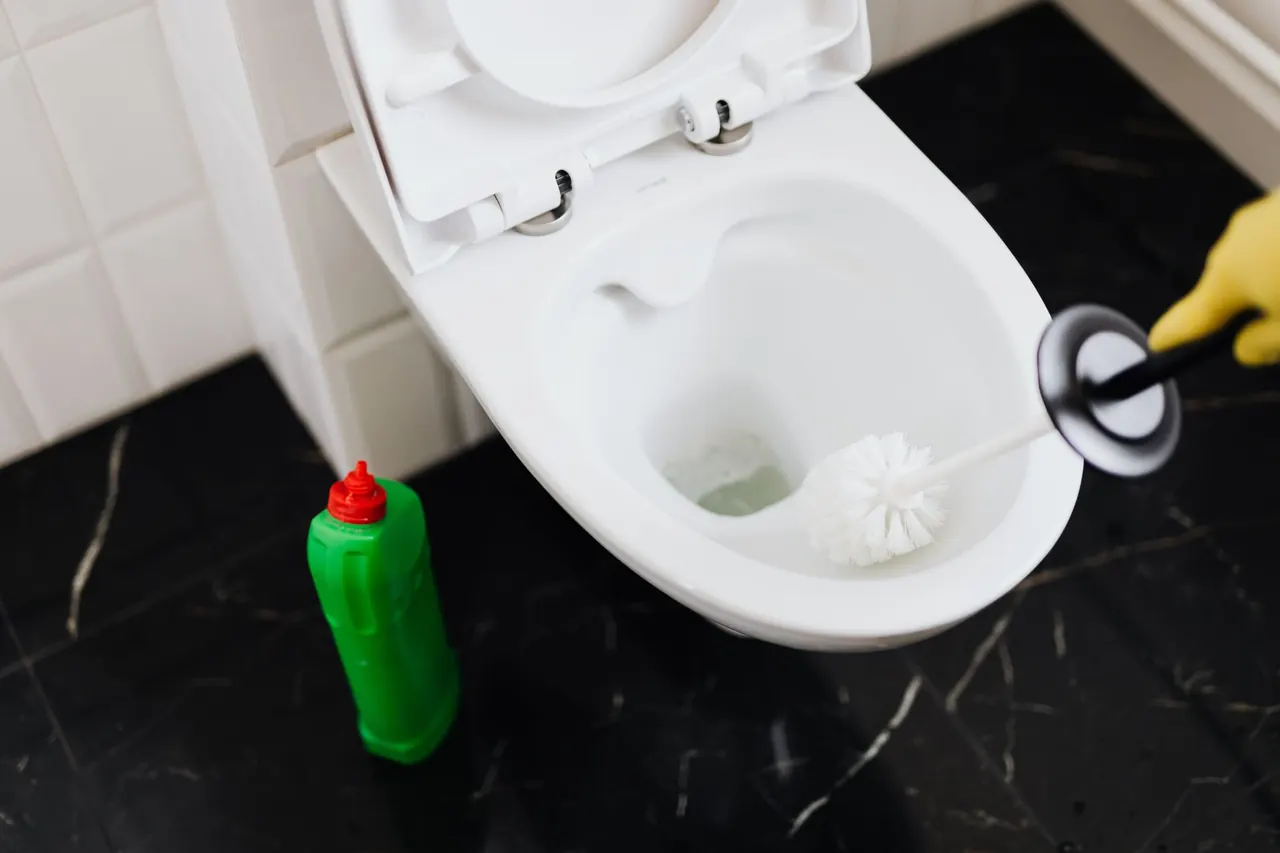
Removes the old wax ring and residue from the flange so the new seal sits flat and does not leak at the base.
Dry the affected space after extraction. Most Littleton homes reach dry standard in 24 to 72 hours with this equipment running.
All repair work is done to UPC and IPC standards, which govern drain line sizing, venting, and fixture installation. That matters on a remediation job because a repair that does not meet code can fail inspection and cause a repeat backup.
Call (720) 894-1003. We dispatch a technician, talk you through shutting the angle stop, and bring extraction and sanitizing equipment. The failed flapper or fill valve is repaired on the same visit. The flow stops within minutes of your call, the carpet is extracted and treated, and the toilet is back in service the same night.
We relieve the main line at the clean-out, extract the standing waste, remove soaked carpet and pad, and disinfect the concrete. A camera inspection identifies whether roots or scale caused the blockage. The basement is dry within 48 to 72 hours, the blockage is cleared, and you have documentation for an insurance claim.
We repair the Sloan or Zurn valve, extract the water, and sanitize the floor. Work is scheduled to minimize disruption, and we can set up a maintenance schedule for urinals and flushometers. The restroom is back in service the next morning, and recurring flushometer failures are prevented with scheduled maintenance.
We inspect the wax ring and flange, check for a slow leak, and camera the drain line if needed. A damp base is often an early sign of a failing seal. A small repair now prevents a full backup later, and the smell is gone once the seal and flange are corrected.
Littleton sits in Arapahoe County, and the housing stock here shapes how we handle a backup. Homes in Historic Downtown Littleton and Leawood were often built in the 1950s and 1960s with cast iron drain lines that scale and root over time. Newer builds in Sterling Ranch use PVC, which fails differently, usually at a fitting or a poorly bedded line. October cold snaps matter too: a partially blocked line can freeze and then release all at once when it thaws, which is why we see a spike in basement sewage backup Littleton, Colorado calls in late fall. If you are asking what to do when sewage backs up in basement Littleton Colorado, the short answer is keep out of the water, shut off what you can reach, and call us. We handle extraction, sanitizing, and the repair that stops it from happening again, and we work to Uniform Plumbing Code and International Plumbing Code standards on every fix.
A 1962 ranch home in Leawood had two inches of sewage across a finished basement after a storm. The floor drain backed up, soaking carpet, pad, and the bottom 12 inches of drywall. The homeowner had already tried a plunger and a bucket with no result.
We extracted the standing waste, removed 180 square feet of carpet and pad, cut out the soaked drywall, and disinfected the concrete. A camera inspection found roots in the cast iron lateral, which we cleared. The basement reached dry standard in 48 hours.
We recommend a camera check of the lateral every 18 to 24 months on cast iron lines, plus a root treatment each spring. That schedule is what keeps a cleared line from clogging again.
A toilet in a Ken Caryl Ranch home overflowed while the owners were at work. Water ran across the bathroom floor, through the subfloor, and stained the ceiling below. The flapper had failed and the fill valve kept running.
We shut the angle stop, extracted the water, and removed the stained ceiling drywall. The failed flapper and fill valve were replaced, and the toilet was reset with a new wax ring and closet bolts. The ceiling was repaired and painted within four days.
Check the flapper every six months by adding a few drops of food coloring to the tank. If color reaches the bowl without a flush, the flapper is leaking and should be replaced.
A Sloan flushometer failed in a Southpark commercial building and flooded a hallway outside the restroom. Water spread about 20 feet before anyone noticed, and the restroom was out of service during business hours.
We repaired the flushometer diaphragm, extracted the water, and disinfected the tile floor. The restroom was back in service the next morning. We also set up a maintenance schedule for the building's urinals and flushometers.
Commercial flushometers should be serviced annually. A diaphragm replacement on a schedule costs far less than an after-hours flood and the cleanup that follows.
Most backups trace back to one of a handful of failures. Here are the ones we see most often in Littleton homes and businesses, and what happens if they are ignored.
We pull the toilet, scrape the old wax ring with a putty knife, inspect the flange, and repair or replace it with a flange bolt kit. The toilet is reset with a new wax ring and closet bolts, then tested with a full flush. Water leaks at the base, rots the subfloor, and can look like a sewage backup. Left alone, the flange corrodes further and the toilet rocks.
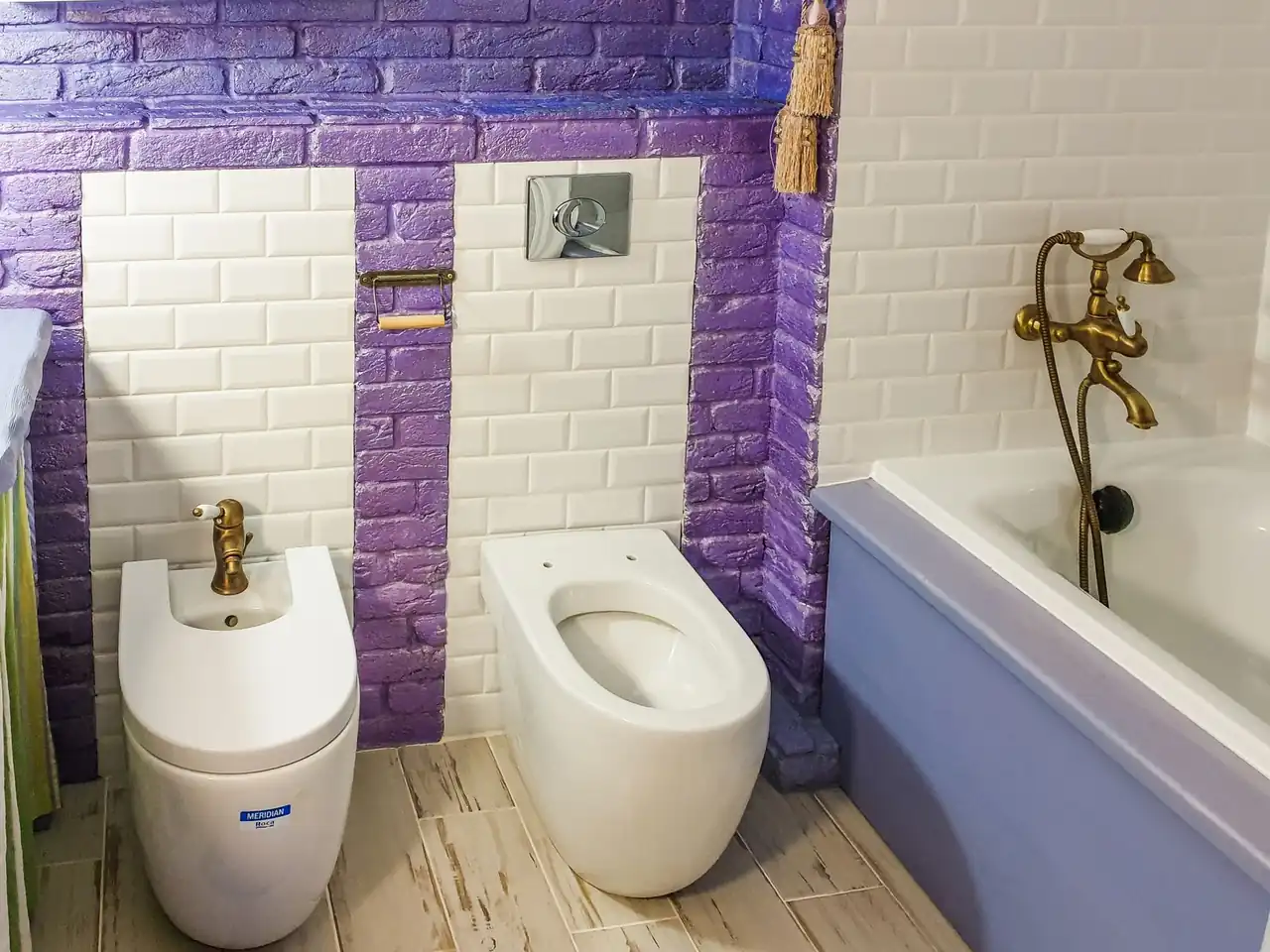
We clear the blockage, often roots or scale in a cast iron lateral, and inspect the line with a camera. If the lateral is failing, we discuss repair options. Extraction and sanitizing run the same day. Sewage enters the lowest point of the house, soaking carpet, drywall, and stored belongings. Mold can start within 24 to 48 hours.
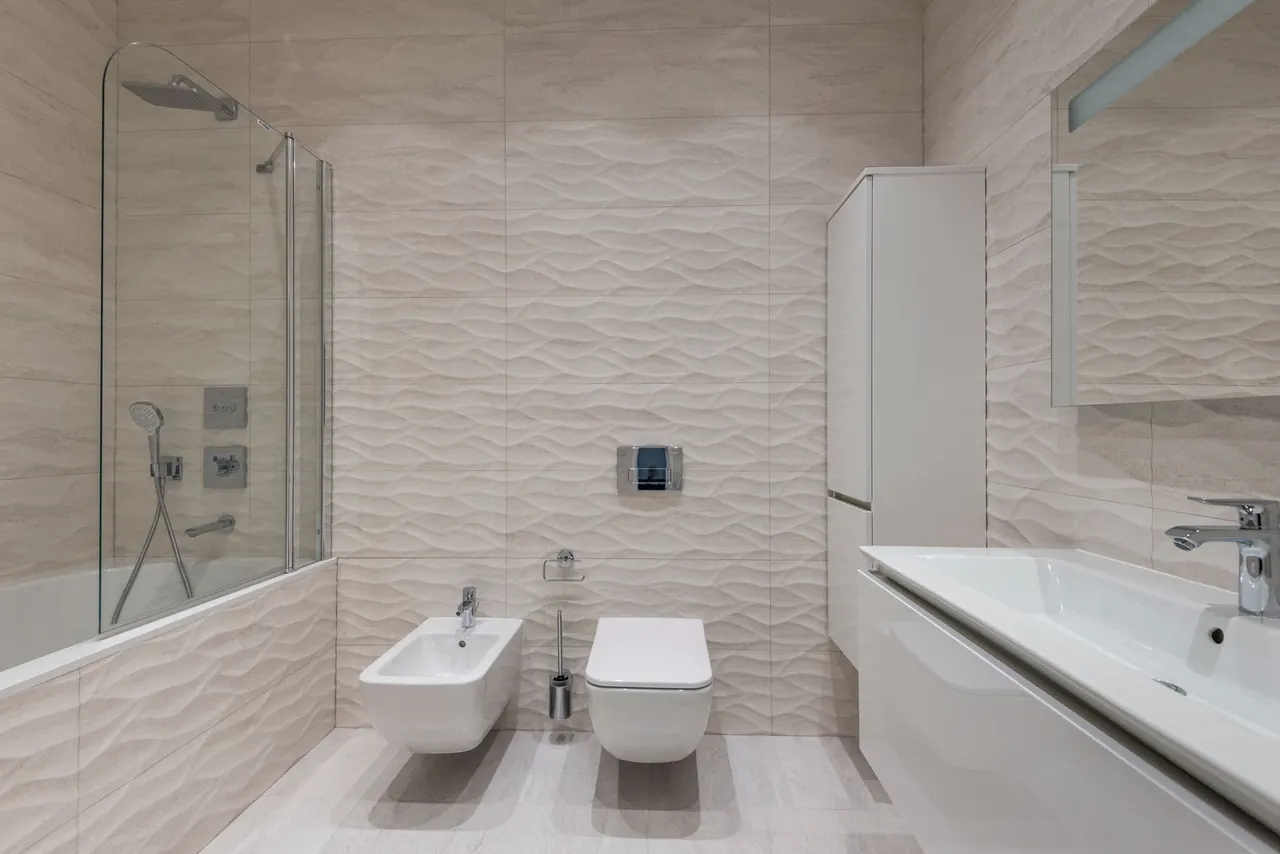
We clear the clog with a closet auger or drain snake, then camera the line to find the real cause. Fixing a partial blockage before it becomes a full backup is the cheapest outcome for a homeowner. A partially blocked line keeps backing up, and each event adds more water damage and more cleanup cost. It will not clear itself.
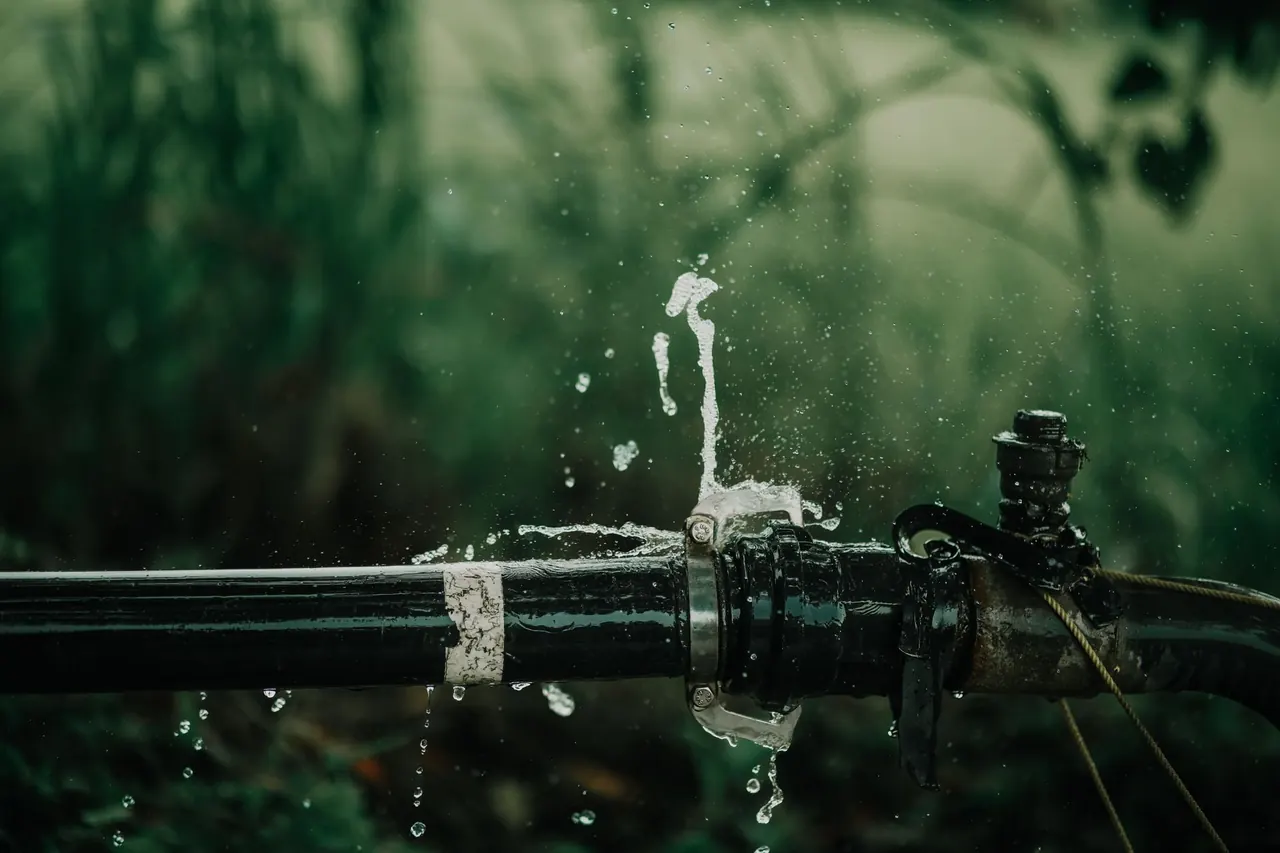
We replace the angle stop with a new shut-off valve so you have a working control point. This is often done during the same visit as the remediation, which means one trip instead of two. You cannot stop the water, so the overflow keeps running while you wait for help. A frozen valve in a Colorado cold snap is a common problem.
We aim to have a technician on site within 60 minutes for emergency sewage backup service Littleton calls. The first job is stopping the flow, blocking the doorway with containment, and getting a wet/dry shop vacuum and pump running so waste stops spreading into hallways and carpet.
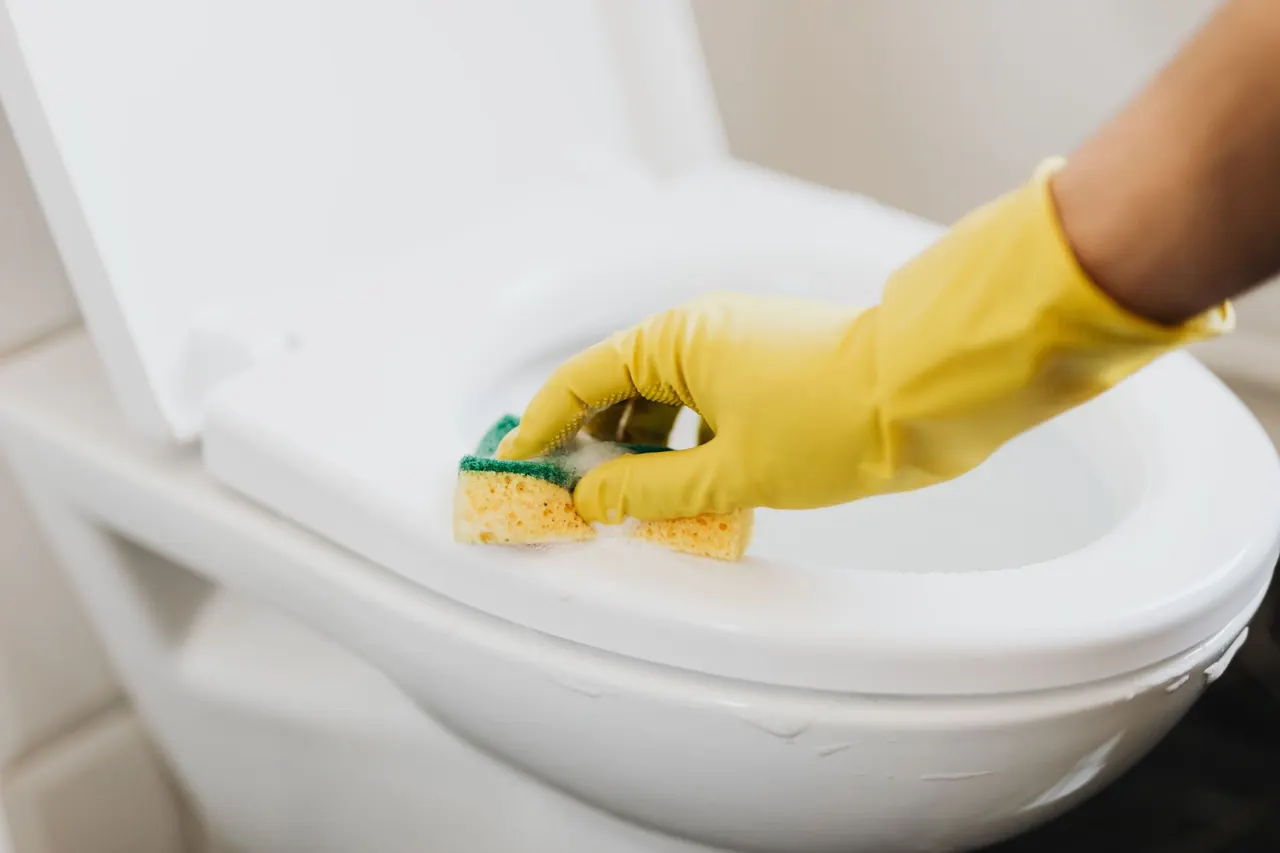
Pulling water is half the job. We apply EPA-registered disinfectant to every surface the waste touched, then verify with a moisture meter. Porous materials like soaked drywall, carpet pad, and baseboard get cut out and bagged, because disinfectant cannot reach the bacteria inside them.
A backup will happen again if the cause is still there. We inspect the toilet flange, wax ring, and drain line with an inspection camera, then repair or replace the failed part. That is why our sewage backup cleanup Littleton work includes a real plumbing fix, not a mop and a promise.
We photograph the affected area before and after, log moisture readings, and note the cause of loss. That packet is what your adjuster asks for. It speeds up a sewage backup claim and gives you a record of what was removed, cleaned, and repaired.
Clear records you can keep and share.
What is removed, cleaned, and repaired
Readings at start and before we leave
Before and after images for your claim
Sewage is Category 3 water, the most contaminated classification. That means soaked carpet, pad, and drywall are removed rather than dried in place.
Carpet, pad, and soaked drywall cannot be disinfected through. They are cut out, bagged, and removed from the home.
Tile, concrete, and framing can be cleaned with disinfectant once the standing waste is extracted. Moisture readings confirm the space is dry.
Mold can begin within 24 to 48 hours on wet materials. Starting extraction the same day limits how much has to be removed.
Outside these areas? Call and ask, we may still be able to help. (720) 894-1003
Call Toilet Repair Pros at (720) 894-1003. We handle sewage backup cleanup Littleton calls with a licensed plumber who can stop the source, extract the waste, sanitize the area, and repair the failed toilet or drain line. If the backup is still active, shut off the toilet supply at the angle stop and keep people and pets out of the affected room until we arrive.
Yes. Sewage is Category 3 water, which means it carries bacteria, viruses, and parasites that get worse the longer it sits. Mold can start within 24 to 48 hours on wet drywall and carpet. Treat any backup that reaches a floor as an emergency and call for emergency sewage backup service Littleton the same day, even if the flow has stopped.
Often yes, but it depends on your policy. Standard homeowners policies frequently exclude sewer backup unless you added a sewer backup endorsement, which is common on Colorado policies. We photograph the damage, log moisture readings, and document the cause of loss so your adjuster has what they need to process the claim.
Typical 2026 pricing in the Littleton area runs $350 to $1,200 for extraction and sanitizing, and $150 to $600 for the plumbing repair, depending on volume and what failed. A single toilet overflow with a wax ring replacement sits at the low end. A finished basement with soaked carpet and a blocked main line sits at the high end.
If waste is on the floor right now, call (720) 894-1003. We answer 24/7, quote the work before we start, and send a licensed plumber who handles both the cleanup and the repair. One call gets the mess out and the cause fixed.
Call (720) 894-1003 or email [email protected] to schedule service. We answer the phone during business hours and respond to after-hours emergency calls for active leaks and backups. Most repairs are scheduled same day or next day.