Local GuidesRepair Tips
Common toilet problems in Historic Downtown Littleton homes
Sagging floors, cast iron drains, and 80-year-old shut-off valves: the real reasons toilets fail in Historic Downtown Littleton, and what repairs cost in 2026.
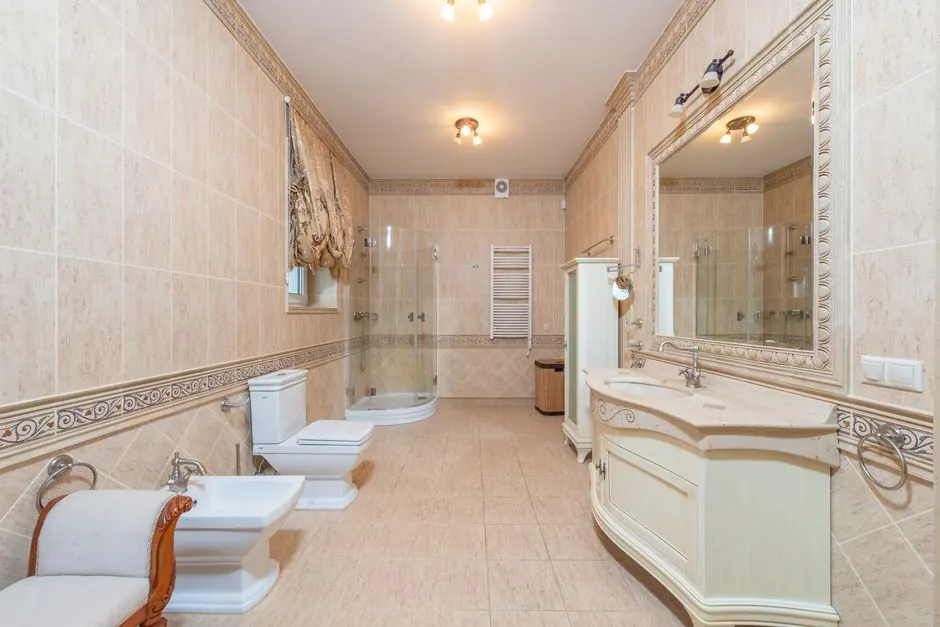
Older homes in Historic Downtown Littleton have more toilet problems than newer construction because of three things: cast iron drain lines that have corroded from the inside, mineral-heavy Front Range water that eats through rubber parts, and original shut-off valves that fail the moment you touch them. Most of the calls we run in the 80120 ZIP come down to one of those three root causes, even when the symptom looks like something else entirely. This guide walks through the specific failures we see on Alamo, Rapp, and Prince Street, what repairs cost in 2026, and when a toilet problem is a sign of something bigger in the plumbing.
Toilet problems in Historic Downtown Littleton CO is a category of plumbing failure driven by the age of the building stock, not by anything the current owner did wrong. The houses here were built mostly between 1890 and 1955, and the plumbing inside them has been patched, extended, and partially replaced for the better part of a century.
Why older homes in Historic Downtown Littleton have toilet problems
Historic Downtown Littleton homes have toilet problems because the drain system, water supply, and floor structure underneath the bathroom were all designed for a different era of plumbing. A 1920s bungalow off Main Street was built with a 4-inch cast iron soil pipe, a lead or galvanized supply line, and a toilet sitting on a wood subfloor that has been flexing for a hundred years. Every one of those systems has a predictable failure point.
Cast iron drain pipe corrodes from the inside out. After 60 to 80 years, the interior walls build up scale and rust until the effective diameter of a 4-inch pipe is closer to 2 inches. Water still goes down, just slowly, and solids catch on the rough surface. That is why so many homeowners here describe a toilet that flushes fine for months and then suddenly clogs every other week.
Littleton's water is hard. We pull 8 to 12 grains per gallon out of most taps in this part of the metro, and that calcium and magnesium settles on flappers, fill valves, and the inside of the tank. Rubber parts that should last five years in soft water last two or three here. If you have replaced the same flapper twice in four years, the water is the reason.
And then there is the floor. Bathroom floors in these homes were often framed with dimensional lumber that has been wet at least once. A toilet that rocks even a quarter inch will eventually break the wax seal, and once the seal is gone, water goes into the subfloor instead of down the drain. We have pulled toilets in this neighborhood and found the flange sitting a full inch below the finished floor because the wood underneath had compressed.
The six problems we see most in 80120
The most frequent toilet repair calls we run in the 80120 ZIP code are running toilets, leaks at the base, weak flushes, broken handles, stuck shut-off valves, and backed-up drains. Here is what each one actually looks like in a historic home.
- Running toilet. Almost always a worn flapper or a fill valve that will not shut off. In these homes, the culprit is usually the flapper, because the hard water has stiffened the rubber or left a mineral ridge on the flush valve seat.
- Leak at the base. Water pooling around the toilet foot means the wax ring has failed. In older homes, it often means the flange has also cracked or rusted through.
- Weak or slow flush. The toilet drains but never clears the bowl. This is the cast iron problem showing up, or a partially blocked trapway.
- Handle that sticks or goes slack. The trip lever arm inside the tank has corroded or snapped. Common on original 1950s tanks.
- Shut-off valve that will not close. You go to turn off the water before a repair and the valve handle spins without stopping flow, or snaps off in your hand.
- Backed-up drain. Water rises in the bowl when you flush, or worse, comes up in the tub or basement floor drain. That is a main line problem, not a toilet problem.
If your toilet runs constantly, the fix is usually straightforward and we handle it the same day with Running Toilet Repair Littleton CO. The water waste is real, though. A running toilet can send 200 gallons a day down the drain, which on Littleton's tiered water rates adds up fast.
Leaks at the base are the ones that cause the most damage in these homes because the subfloor is wood. We see this constantly in Historic Downtown Littleton toilet repair calls, where a slow leak has been soaking the floor joists for months before the homeowner notices the soft spot. By the time the floor feels spongy, you are looking at a wax ring, a flange, and possibly some carpentry.
Cast iron plumbing and the slow-drain problem
Cast iron plumbing under Downtown Littleton homes is the single biggest reason toilets drain slowly here, and it is the problem homeowners most often misdiagnose. A toilet that flushes weakly is not usually a toilet problem at all. It is a drain problem that the toilet is simply the first fixture to reveal.
Here is how to tell the difference. If the bowl fills normally and then drains slowly, the issue is downstream of the toilet. If the bowl never fills with enough water to begin with, the issue is the fill valve or the flapper. If it gurgles or bubbles after flushing, you have a venting or drain issue.
We can usually confirm cast iron scale with a camera inspection in under 30 minutes. Once we know the pipe is the problem, the options are mechanical descaling, spot replacement of the worst section, or a full replacement of the horizontal run. For a single bathroom in a 1920s home, spot replacement of a 6- to 10-foot section typically runs $1,800 to $3,500 in 2026. Full cast iron replacement under a house is a much bigger project and we quote it separately.
What we do not recommend is repeated snaking. Snaking a scaled cast iron line punches a hole through the buildup and buys you a few weeks. The scale closes back in. If you have had the same line snaked three times in a year, the pipe is telling you something.
Original shut-off valves: the hidden flood risk
The shut-off valve behind your toilet is the part of the system most likely to turn a small repair into a flooded bathroom. In Historic Downtown Littleton homes, that valve is often the original 1950s angle stop, with a rubber washer that has been compressed against a brass seat for 70 years. The first time anyone turns it, it either will not close or it starts weeping from the packing nut.
We treat every old angle stop as a live risk. Before we start any toilet repair, we test the valve. If it does not hold, we replace it first, because working on a toilet with a valve that will not shut off means working with the house water main as your only control.
Replacing a single angle stop is a small job, usually $185 to $325 in 2026 including the valve and the supply line. If you have never replaced the shut-off valves in a home of this age, plan on doing them one bathroom at a time. The alternative is discovering the failure during an emergency at 9 p.m. on a Sunday.
While we are behind the toilet, we also look at the supply line. The braided stainless lines that became standard in the 1990s have a rubber core that cracks after 10 to 15 years. Original chrome or copper supplies in these homes are often fine, but the rubber washer at the tank connection is not. For older homes, Toilet Water Supply Line Replacement Littleton CO is one of the cheapest insurance policies you can buy.
What toilet repair costs in Historic Downtown Littleton in 2026
Typical 2026 pricing in this area runs $175 to $350 for a standard repair like a flapper, fill valve, or handle, and $350 to $650 when the toilet has to come up for a wax ring or flange. Here is how the numbers break down by job.
- Flapper or fill valve replacement: $175 to $300, done in under an hour.
- Trip lever or handle repair: $150 to $275.
- Wax ring replacement: $325 to $550, including pulling and resetting the toilet.
- Flange repair or replacement: $450 to $900 depending on whether the flange can be repaired in place or has to be cut out.
- Shut-off valve replacement: $185 to $325 per valve.
- Toilet unclogging: $150 to $275 for a standard clog, more if the auger has to go past the trap.
- Full toilet replacement: $550 to $1,200 installed, depending on the fixture.
Those ranges assume the shut-off valve works and the floor is solid. If the flange is rotted or the subfloor is soft, the repair grows. We tell you that before we start, not after.
One thing worth knowing: if your toilet is from the 1980s or early 1990s, it is using 3.5 gallons per flush. A modern 1.28 GPF model uses about a third of that. If you are already paying for a repair, the math on upgrading often works out over a few years. We install High Efficiency Toilet Upgrade Littleton CO on the same visit as a repair when the customer wants it, and the water savings in a hard-water household are real.
What to watch out for (common mistakes)
The most expensive mistakes we see in historic Littleton homes are the ones homeowners make trying to save a service call. These are the patterns worth avoiding.
- Forcing an old shut-off valve. If it does not turn easily by hand, stop. Forcing it snaps the stem and you now have an open supply line and no way to close it.
- Using a plunger on a slow drain. Plunging a toilet that is slow because of cast iron scale does nothing except stress the wax ring. If the bowl drains slowly every time, it is not a clog.
- Ignoring a rocking toilet. A toilet that moves even slightly is breaking the wax seal every time someone sits down. Tighten the closet bolts, but if the flange is the problem, tightening will not fix it.
- Replacing the flapper without cleaning the seat. A new flapper on a mineral-crusted flush valve seat will leak within weeks. The seat has to be cleaned or the valve replaced.
- Caulking around the base to hide a leak. Caulk traps water against the subfloor. If there is water at the base, the seal is already gone.
One more: do not assume a toilet that runs only at night is a minor issue. That is usually a flapper that seals when the tank is warm and leaks when it cools. It is still wasting water every night.
When to call a professional
Call a professional when water is showing up where it should not be, when the shut-off valve will not close, or when the same toilet has been repaired twice for the same symptom. Those three situations almost always mean the problem is below the fixture, not in it.
Our team handles toilet repair across Historic Downtown Littleton and the surrounding neighborhoods, and we carry the parts for older tanks on the truck so most jobs are done in one visit. We test the shut-off valve, check the flange and the floor, and confirm the flush is clean before we leave. If the drain line is the real problem, we tell you that on the same call instead of selling you a repair that will not hold.
Frequently Asked Questions
Why do older homes in Historic Downtown Littleton have toilet problems?
Three reasons: cast iron drain lines that have corroded internally over 60 to 80 years, hard Front Range water that wears out rubber parts in two to three years, and original shut-off valves and flanges that fail when disturbed. The building age, not the toilet brand, drives most of it.
Can a plumber work on original plumbing in Downtown Littleton CO?
Yes. We work on original cast iron, galvanized, and copper lines in these homes every week. The key is testing the shut-off valve first and inspecting the flange before pulling the toilet, so a small repair does not turn into a flooded floor.
How much does toilet repair cost in Downtown Littleton, Colorado?
In 2026, most standard repairs run $175 to $350. Wax ring or flange work runs $325 to $900. Shut-off valve replacement is $185 to $325 per valve. We quote the job before we start, including anything the floor or drain line turns up.
My toilet drains slowly but never clogs. Is that a toilet problem?
Usually not. A bowl that fills normally and then drains slowly points to the drain line, not the toilet. In homes this old, that almost always means cast iron scale. A camera inspection confirms it in about 30 minutes.
How often should I replace the flapper in a Littleton home?
Every two to three years here, versus five or more in softer water. If you have replaced the same flapper twice in four years, the flush valve seat likely needs cleaning or replacement, not another flapper.
Get help with Toilet Repair in Littleton
If your toilet is running, leaking at the base, or draining slowly, we can diagnose it on the first visit and give you a straight price before we start. We work Historic Downtown Littleton and the surrounding neighborhoods, and we carry the parts for older tanks on the truck.
Call Toilet Repair Pros at (720) 894-1003 to schedule your toilet repair.